
The Importance of Maintaining Condensate Drain Lines
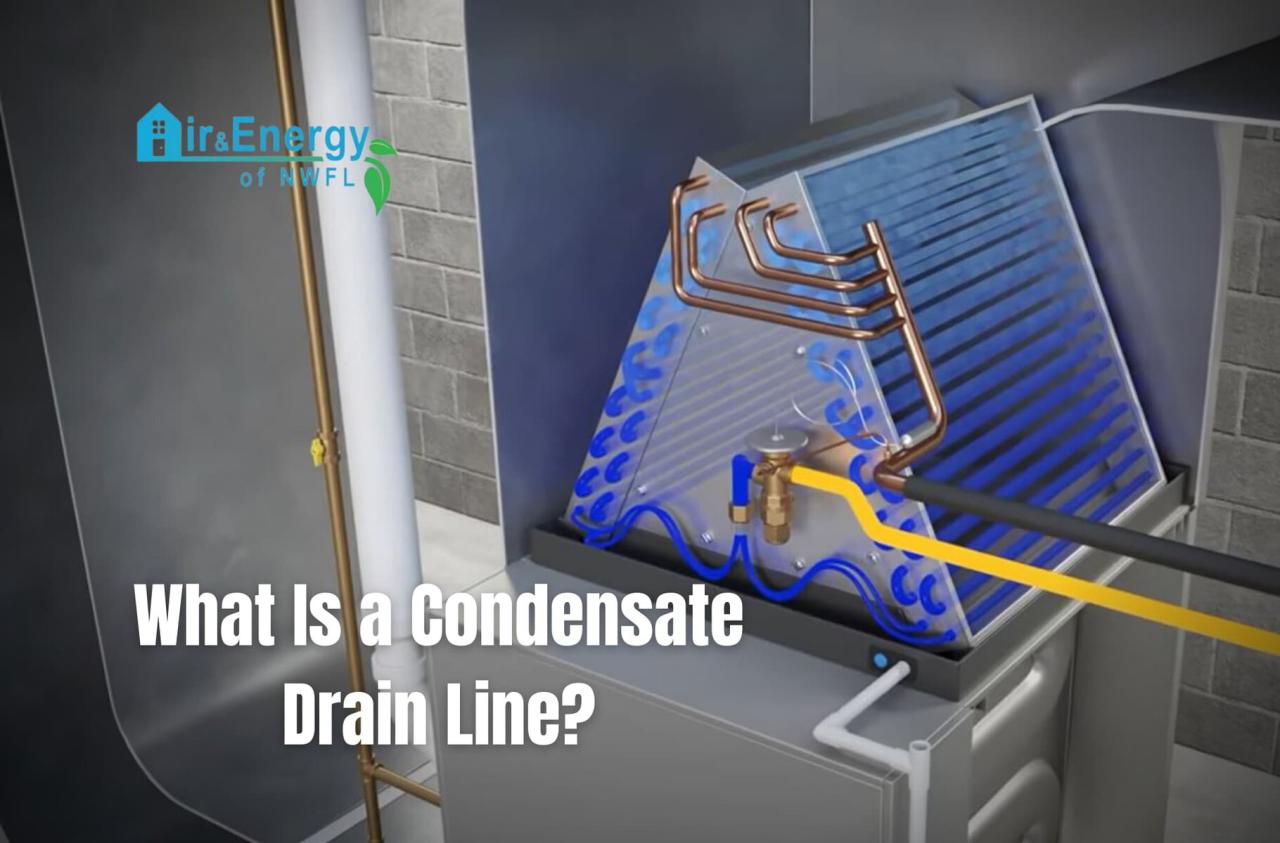
Maintaining condensate drain lines is crucial for the proper functioning of HVAC systems. These lines are responsible for removing the excess water produced during the cooling process, preventing it from accumulating and causing damage.
Potential Problems from Neglected Drain Lines
- Clogged drain lines can lead to water backups, causing leaks and potential water damage to the surrounding areas.
- Excess moisture buildup due to clogged drain lines can promote mold and mildew growth, impacting indoor air quality and posing health risks.
- Airflow blockages caused by clogged drain lines can reduce system efficiency, leading to increased energy consumption and higher utility bills.
Signs of Clogged Condensate Drain Lines
When condensate drain lines get clogged, it can lead to various issues that affect the efficiency of your HVAC system. Recognizing the signs of a clogged drain line is crucial to prevent further damage and costly repairs.
Common Indicators of a Clogged Condensate Drain Line
- Water Leaks: One of the most obvious signs is water pooling around the HVAC unit or dripping from the indoor unit.
- Musty Odors: A musty smell coming from the vents can indicate mold growth in the drain line due to stagnant water.
- Increased Humidity: If you notice higher humidity levels in your home, it could be a result of a clogged drain line causing poor moisture removal.
How to Visually Inspect and Identify Blockages
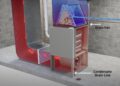
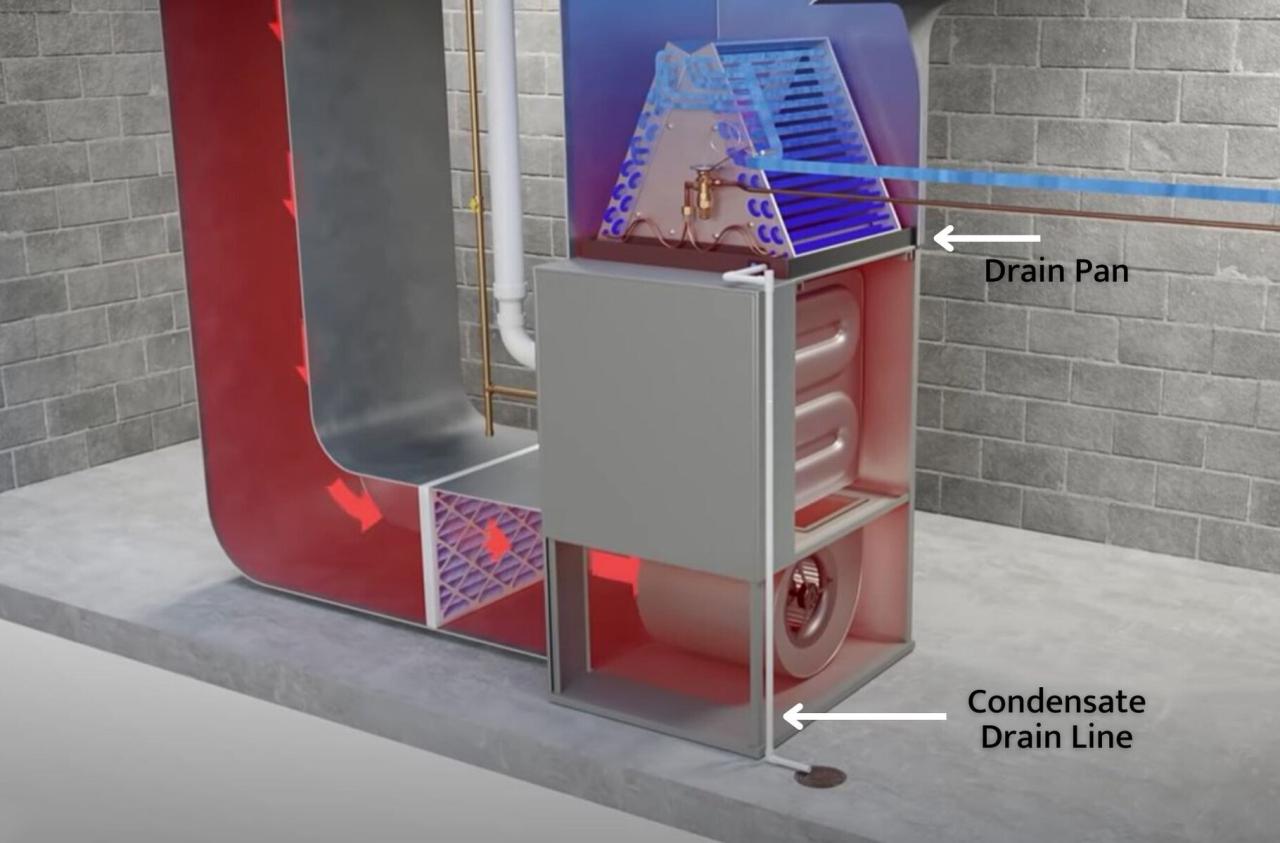
- Locate the drain line near the indoor unit and check for any visible blockages like algae, mold, or debris.
- Use a wet/dry vacuum to suction out the clog or gently flush the drain line with a mixture of water and vinegar to clear any buildup.
- Consider scheduling regular maintenance with a professional to ensure proper cleaning and maintenance of the condensate drain line.
Experiences of Customers Who Overlooked These Signs
"I ignored the water leaks around my HVAC unit for months until it caused water damage to my ceiling. I wish I had paid attention to the signs of a clogged drain line earlier."
"The musty odor coming from my vents was unbearable, and I didn't realize it was due to a clogged drain line until I had mold remediation done. It was a costly mistake."
Cost of Repairing Damages Caused by Neglected Drain Lines
Neglecting maintenance of condensate drain lines can lead to various damages in the HVAC system, resulting in costly repairs that could have been prevented with regular upkeep.
Potential Damages to the HVAC System
- Water damage to walls, ceilings, and floors due to leaks from clogged drain lines.
- Mold and mildew growth resulting from excess moisture buildup caused by blocked drainage.
- Reduced efficiency and performance of the HVAC system due to restricted airflow from clogs.
- Potential compressor failure from the system overworking to compensate for the blockage.
Estimates on Repair Costs for Issues Caused by Clogged Drain Lines
- Repairing water damage can range from hundreds to thousands of dollars depending on the extent of the damage.
- Professional mold remediation can cost anywhere from $500 to $6,000 or more, depending on the severity of the infestation.
- Replacing a compressor in an HVAC system can cost between $1,500 and $2,500, not including labor charges.
Financial Impact of Neglecting Maintenance Compared to Regular Upkeep
Regular maintenance of condensate drain lines, such as cleaning and clearing blockages, can cost as little as $100 to $200 annually. In contrast, the repair costs for damages resulting from neglected drain lines can easily reach thousands of dollars. By investing in routine maintenance, homeowners can save money in the long run and avoid the hassle of dealing with costly repairs.
Preventive Maintenance Tips for Condensate Drain Lines

Regular maintenance is crucial for ensuring your condensate drain lines remain clear and clog-free. By following a maintenance schedule and implementing DIY cleaning methods, you can prevent costly damages and ensure the efficient operation of your HVAC system.
Maintenance Schedule for Keeping Condensate Drain Lines Clear
- Inspect and clean the condensate drain lines at least once every three months.
- During peak usage seasons, such as summer, check the drain lines more frequently to prevent buildup.
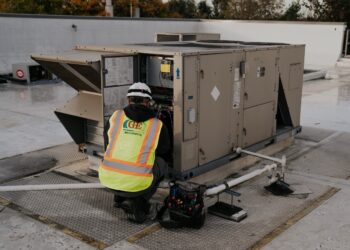
- Consider scheduling professional maintenance at least once a year to ensure thorough cleaning and inspection.
DIY Methods for Cleaning Drain Lines to Prevent Clogs
- Use a wet/dry vacuum to suction out any debris or buildup in the drain line.
- Pour a mixture of vinegar and water down the drain line to dissolve algae and mold that could be causing blockages.
- Flush the drain line with water using a garden hose to remove any remaining debris.
Recommendation for Professional Services for Maintaining Condensate Drain Lines
- Hire a licensed HVAC technician to perform a comprehensive inspection and cleaning of your condensate drain lines.
- Professional services can include using specialized tools to clear out stubborn clogs and ensure optimal drainage.
- Regular professional maintenance can extend the lifespan of your HVAC system and prevent costly repairs in the future.
FAQ Insights
What problems can arise from neglected condensate drain lines?
Issues like mold growth, water damage, and reduced system efficiency can occur with neglected condensate drain lines.
How can I visually inspect and identify blockages in the condensate drain line?
You can look for standing water around the unit or use a flashlight to check for clogs in the drain line.
What are some preventive maintenance tips for condensate drain lines?
Regularly schedule cleanings, use DIY methods like vinegar flushes, and consider professional services for maintenance.