
Introduction to Emergency Heating and Air Solutions for High-Rise Apartments and Condominiums
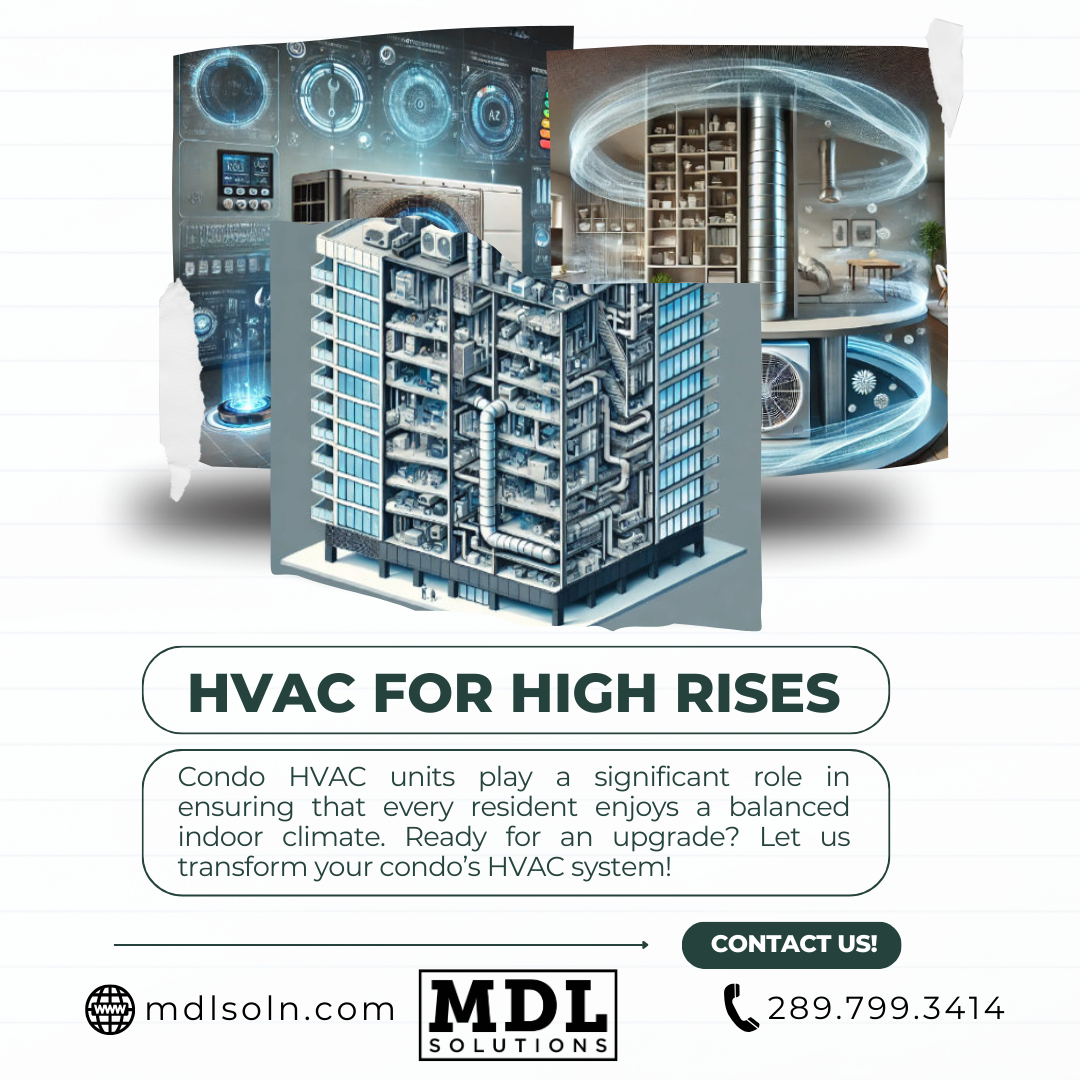
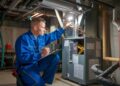
Maintaining HVAC systems in high-rise buildings poses unique challenges due to the vertical nature of these structures. The height of the building can affect air circulation, temperature control, and overall system efficiency.Efficient emergency heating and air solutions are crucial in high-rise apartments and condominiums to ensure the comfort and safety of residents.
In case of HVAC system breakdowns or malfunctions, quick response times are essential to prevent discomfort and potential health risks.The impact of climate and weather conditions on HVAC systems in high-rise apartments is significant. Extreme temperatures, humidity levels, and weather events can put additional strain on the system, leading to increased energy consumption and potential system failures if not properly managed.
Heating Systems for High-Rise Buildings
In high-rise apartments, choosing the right heating system is crucial to ensure comfort and efficiency for all residents. Let's explore the different types of heating systems suitable for high-rise buildings and compare their efficiency.
Centralized Heating Systems
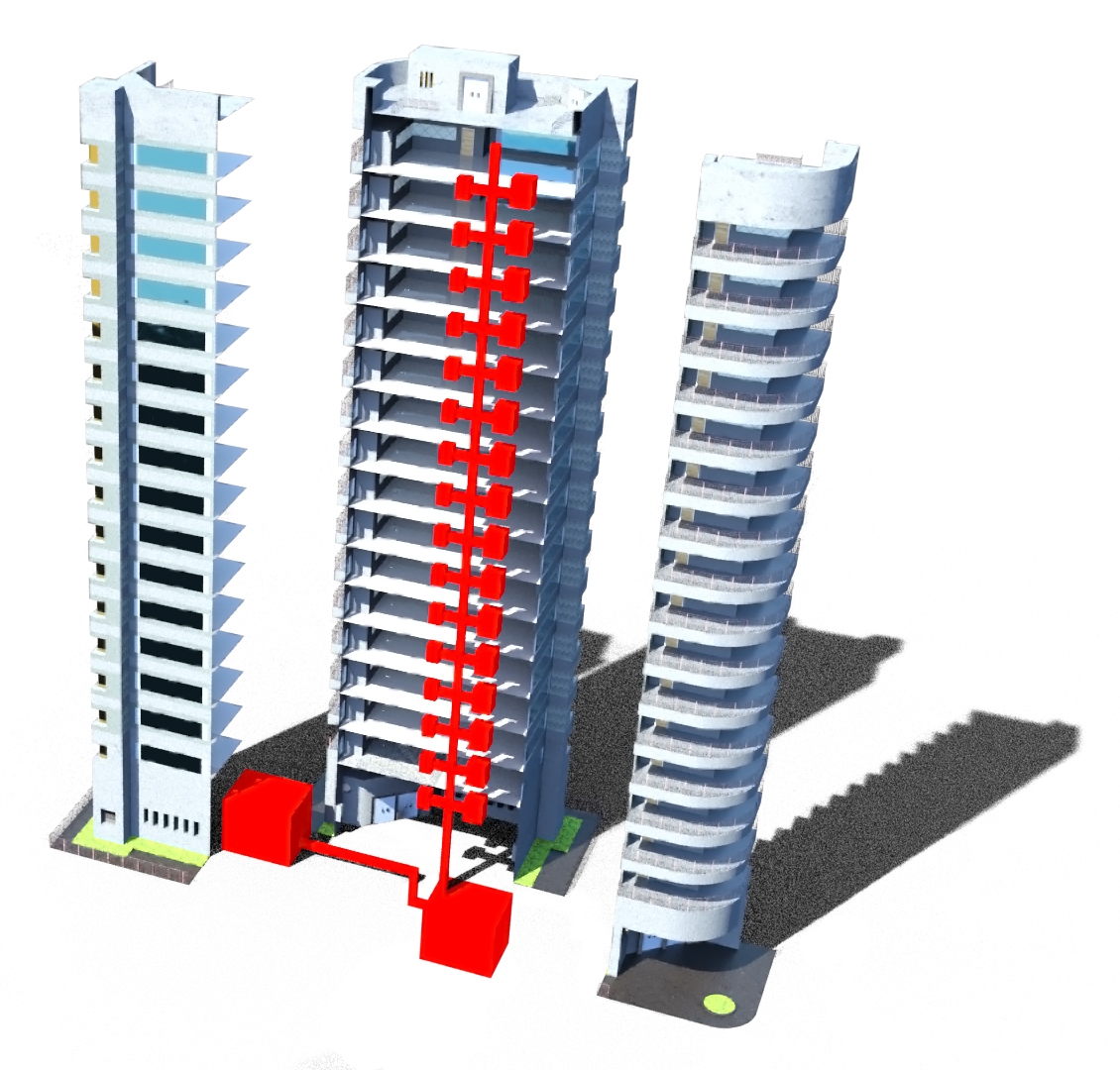
Centralized heating systems are commonly used in high-rise buildings, where a single heating source supplies warmth to all units through a network of ducts or pipes. These systems are efficient in distributing heat evenly throughout the building, ensuring a consistent temperature for all residents.
However, centralized systems may have limitations in terms of individual control and customization of heating preferences.
Individual Unit Heaters
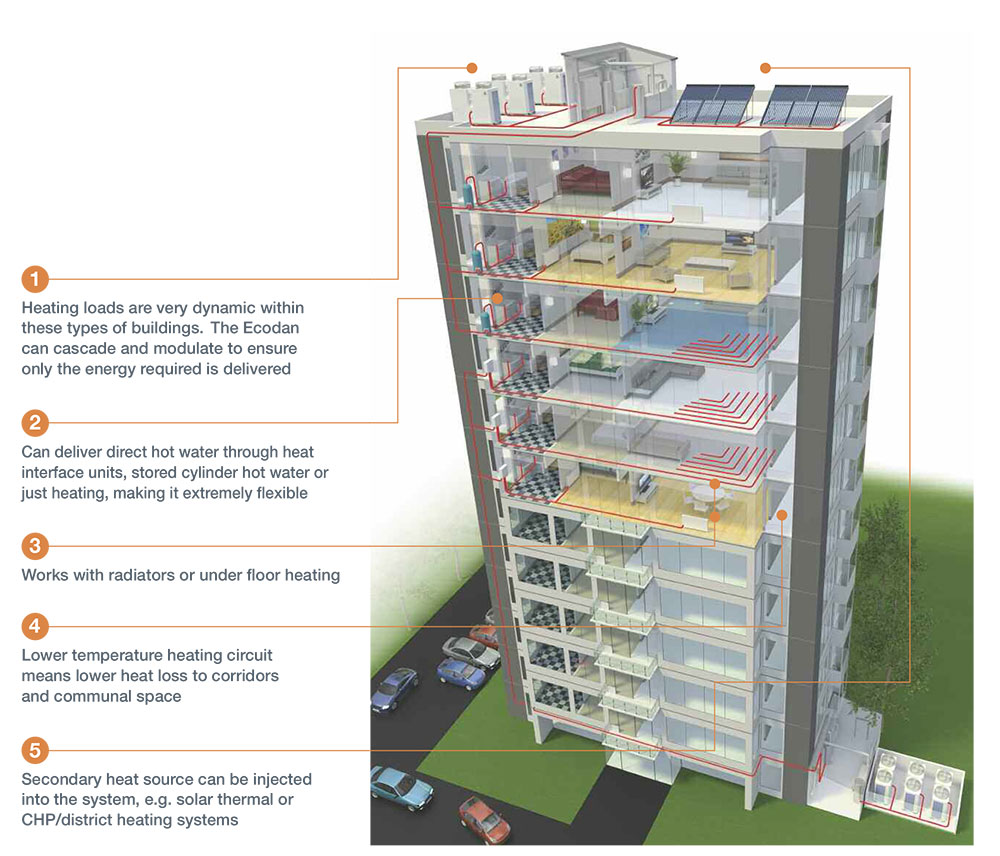
On the other hand, individual unit heaters provide residents with more control over their heating preferences. Each unit has its own heating system, allowing residents to adjust the temperature according to their needs. While this offers more customization, individual unit heaters may not be as energy-efficient as centralized systems due to potential heat loss in each unit.
Emergency Heating Solutions Integration
Incorporating emergency heating solutions into the existing heating infrastructure of high-rise buildings is essential to ensure residents' comfort and safety during unexpected heating system failures. By installing backup heating sources such as portable electric heaters or temporary heating units, property managers can quickly respond to emergencies and prevent discomfort for residents.
It is important to have a well-thought-out emergency heating plan in place to address any heating issues promptly and efficiently.
Air Conditioning Solutions for High-Rise Apartments and Condominiums
When it comes to cooling systems in tall buildings like high-rise apartments and condominiums, unique challenges arise due to the vertical nature of these structures. Efficient air conditioning solutions are crucial to maintaining comfortable indoor temperatures, especially during hot summer months.
HVAC Zoning for Optimizing Air Conditioning
HVAC zoning plays a vital role in optimizing air conditioning for high-rise apartments. By dividing the building into different zones, each with its thermostat and controls, residents can adjust the temperature based on their specific needs
Innovative Technologies for Emergency Cooling
- Ice-Powered Air Conditioning: This technology uses ice to cool the air, providing a more energy-efficient alternative to traditional AC systems.
- VRF Systems: Variable Refrigerant Flow systems offer precise control over individual zones, making them ideal for high-rise buildings with varying cooling requirements.
- Chilled Water Systems: These systems circulate chilled water through the building to remove heat, providing effective cooling while minimizing energy consumption.
Maintenance and Monitoring of Emergency HVAC Systems
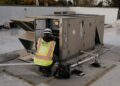
Regular maintenance and monitoring of emergency heating and air systems in high-rise buildings are crucial to ensure the safety and comfort of residents. By implementing a preventative maintenance plan, building managers can prolong the lifespan of HVAC systems and prevent costly breakdowns.
Importance of Regular Inspections and Monitoring
- Regular inspections help identify potential issues before they escalate into major problems, saving time and money in the long run.
- Monitoring the performance of HVAC systems ensures that they are operating efficiently, reducing energy consumption and utility costs.
- Proper maintenance can help improve indoor air quality, creating a healthier living environment for residents.
- Compliance with safety regulations and building codes is easier to maintain with routine inspections and monitoring in place.
Utilizing Technology for Real-Time Monitoring
- Smart HVAC systems equipped with sensors can provide real-time data on the performance of heating and cooling systems.
- Remote monitoring allows building managers to track energy usage, temperature fluctuations, and system malfunctions from anywhere, ensuring timely interventions.
- Data analytics software can analyze HVAC performance trends and predict potential issues, enabling proactive maintenance and reducing downtime.
- Integration of building automation systems with HVAC controls streamlines monitoring processes and enhances overall system efficiency.
Answers to Common Questions
What are the main challenges of maintaining HVAC systems in high-rise buildings?
High-rise buildings pose unique challenges such as complex ductwork systems and the need for efficient distribution of heating and cooling.
How can emergency heating solutions be integrated into existing heating infrastructure?
Emergency heating solutions can be seamlessly integrated through the use of backup generators or portable heating units that can be quickly deployed in case of HVAC system failures.
What is the role of HVAC zoning in optimizing air conditioning for high-rise apartments?
HVAC zoning allows for customized cooling in different areas of a high-rise building, ensuring efficient use of energy and maintaining comfort levels for residents.