
Importance of Emergency HVAC Service Teams During Grid Outages
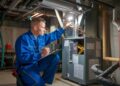
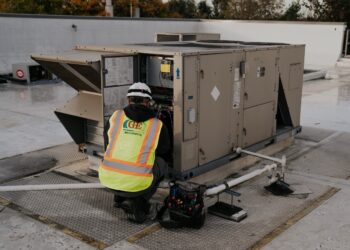
In times of regional grid outages, emergency HVAC service teams play a crucial role in ensuring the comfort and safety of individuals in both residential and commercial settings. HVAC systems are essential for maintaining indoor comfort levels by regulating temperature, humidity, and air quality.
During power failures, these systems are vital for preventing extreme temperatures that can pose health risks, especially to vulnerable populations such as the elderly, young children, and individuals with medical conditions.
Challenges Faced by HVAC Systems During Grid Outages
- Loss of heating or cooling capabilities: When the power goes out, HVAC systems are unable to function properly, leading to discomfort and potential health hazards.
- Risk of equipment damage: Sudden power surges or fluctuations during grid outages can damage HVAC equipment, requiring immediate repairs to prevent further issues.
- Communication breakdown: Grid outages can disrupt communication systems, making it challenging for HVAC service teams to coordinate repairs effectively.
- Increased demand for services: During grid outages, the demand for HVAC repair services spikes, necessitating prompt response times to address the needs of a larger number of affected customers.
Strategies for Rapid Response by Emergency HVAC Teams
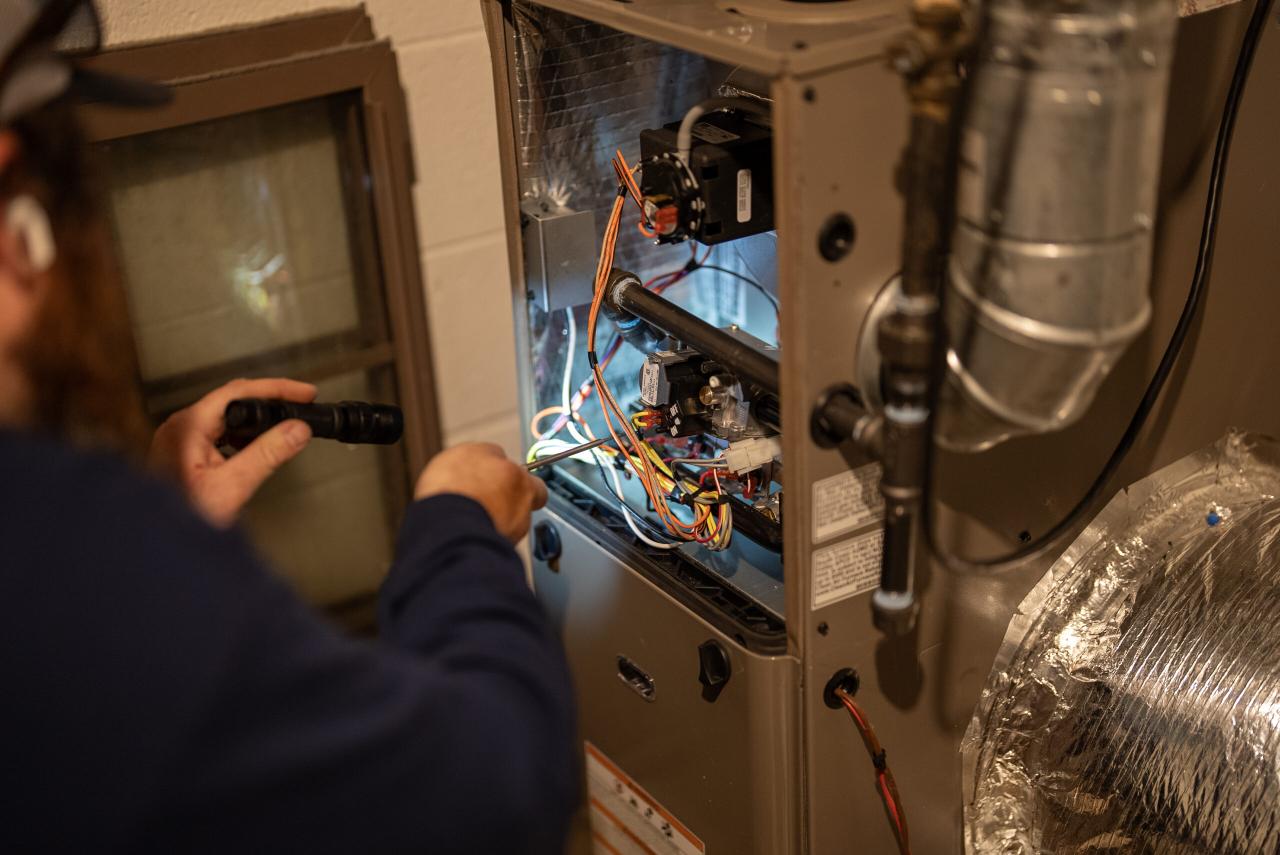
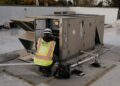
Emergency HVAC service teams employ specific protocols to ensure fast-track repairs during regional grid outages. These teams are well-prepared to handle emergency situations and respond promptly to customer calls.
Call Prioritization and Resource Allocation
During grid outages, emergency HVAC teams prioritize calls based on the severity of the issue and the vulnerability of the customer. Critical facilities such as hospitals, nursing homes, and emergency shelters are given top priority to ensure the safety and well-being of occupants.
By efficiently allocating resources, teams can address urgent cases first and prevent further damage.
- Teams use advanced scheduling and dispatching software to optimize routes and minimize response times.
- Technicians are strategically stationed in different areas to cover a wider service area and reduce travel time between calls.
- Constant communication between team members and dispatchers ensures real-time updates on job statuses and resource availability.
Innovative Repair Strategies
To expedite repair processes in emergency situations, HVAC teams implement innovative strategies that help them work more efficiently and effectively.
- Pre-stocked service vehicles equipped with a wide range of tools and parts enable technicians to address common issues on-site without the need for multiple trips.
- Remote diagnostics and troubleshooting tools allow technicians to identify problems quickly, even before arriving at the customer's location, reducing diagnostic time and accelerating repairs.
- Collaboration with local suppliers and contractors for additional manpower and resources helps teams handle a high volume of service calls during grid outages.
Specialized Training and Skills Required
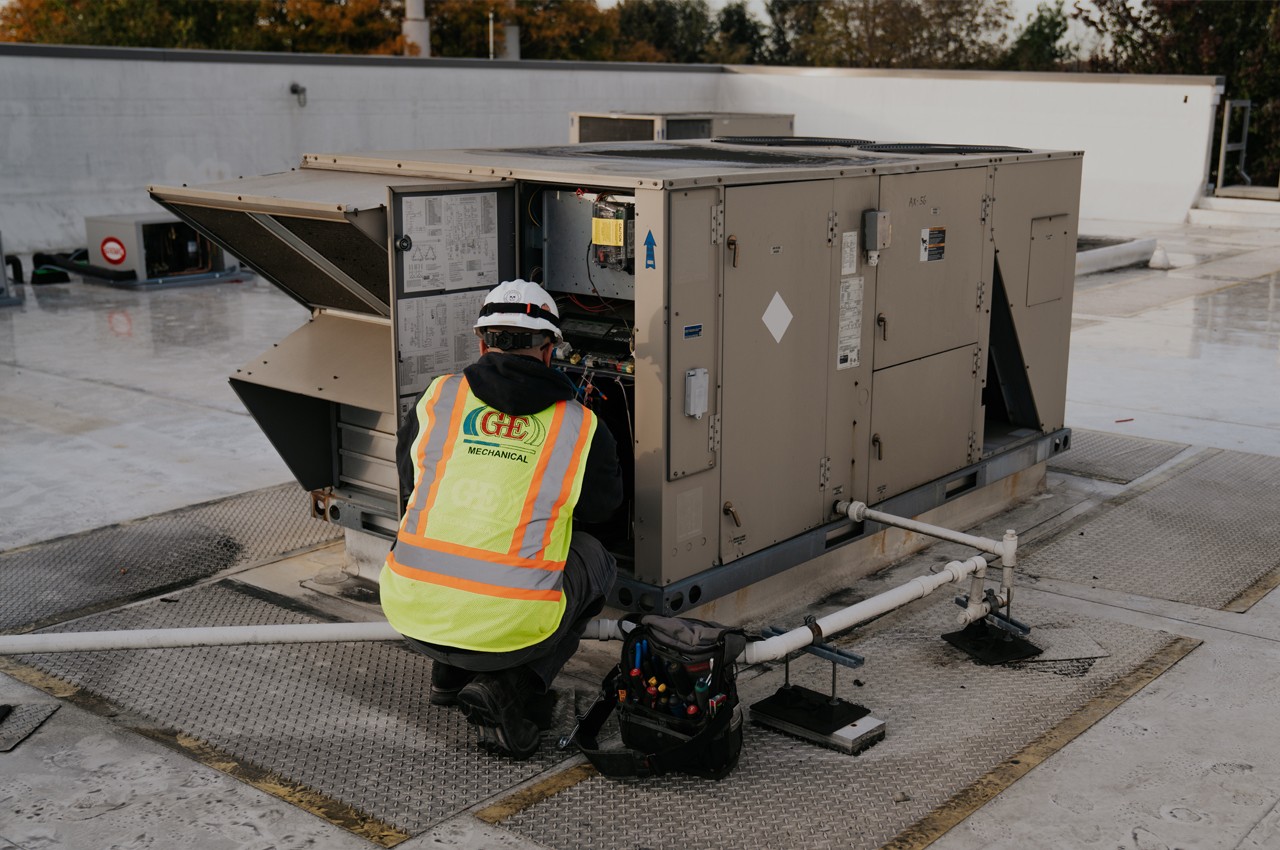
In order to handle emergency repairs during regional grid outages, HVAC technicians require specialized training, certifications, and unique skills to troubleshoot HVAC systems quickly and efficiently. Ongoing training and development programs are essential to enhance the response capabilities of HVAC teams in these critical situations.
Specialized Training and Certifications
- Technicians must hold certifications such as EPA 608 certification, which is required to handle refrigerants safely and legally.
- Training in electrical systems is crucial, as power outages often impact HVAC systems, requiring technicians to work with electrical components.
- Certifications from manufacturers of HVAC equipment are also valuable, as they provide in-depth knowledge of specific systems and components.
Unique Skills for Troubleshooting HVAC Systems
- Ability to quickly diagnose issues under pressure and in challenging conditions is essential for HVAC technicians during grid outages.
- Strong problem-solving skills are necessary to identify the root cause of HVAC system failures and implement effective solutions promptly.
- Adaptability and flexibility are key traits, as technicians may encounter a variety of issues and system configurations during emergency repairs.
Ongoing Training and Development Programs
- Regular training sessions on new technologies and equipment upgrades help HVAC teams stay updated on the latest industry developments.
- Simulated emergency scenarios and drills can prepare technicians to respond quickly and efficiently during actual grid outages.
- Continuous education and skill enhancement programs enable HVAC technicians to improve their technical expertise and problem-solving abilities over time.
Utilization of Technology for Quick Diagnosis and Repairs
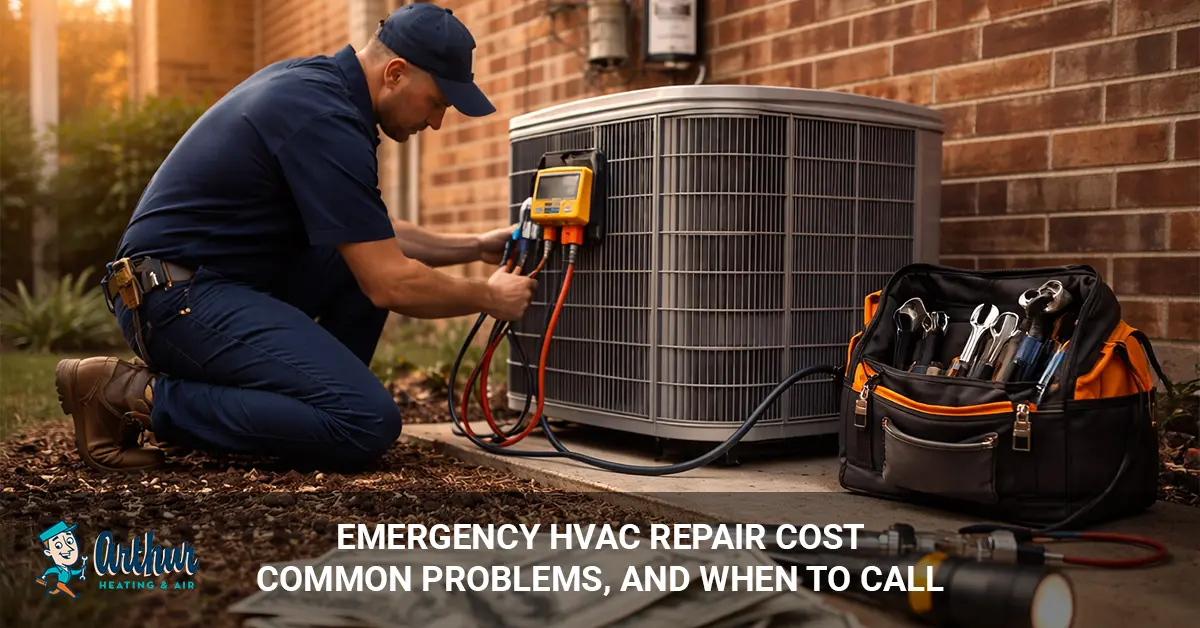
Emergency HVAC service teams leverage advanced technologies to expedite diagnosis and repairs, especially during regional grid outages.
Role of IoT Sensors in Remote Diagnosis
IoT sensors play a crucial role in enabling HVAC technicians to remotely diagnose issues in real-time. These sensors provide valuable data on system performance, allowing for quick identification of potential problems without the need for physical inspection.
Predictive Maintenance Tools for Anticipating Failures
Predictive maintenance tools empower HVAC teams to anticipate and prevent failures during grid outages by analyzing historical data and identifying patterns that signal potential issues. By proactively addressing these issues, technicians can prevent costly breakdowns and ensure uninterrupted service.
Digital Tools for Streamlining Communication
Digital tools such as mobile apps and cloud-based platforms streamline communication and coordination among team members. Through instant messaging, file sharing, and real-time updates, technicians can collaborate effectively, share insights, and allocate resources efficiently for faster repairs.
FAQ Explained
What certifications are required for HVAC technicians in emergency repairs?
HVAC technicians need certifications such as EPA 608 and NATE to handle emergency repairs efficiently.
How do Emergency HVAC teams prioritize calls during grid outages?
Emergency HVAC teams prioritize calls based on the severity of the issue, ensuring that critical cases are addressed first.
What role do IoT sensors play in diagnosing HVAC issues remotely?
IoT sensors enable HVAC teams to remotely monitor and diagnose problems in real-time, speeding up the repair process.