
Overview of Emergency Heating and Air Backup Systems
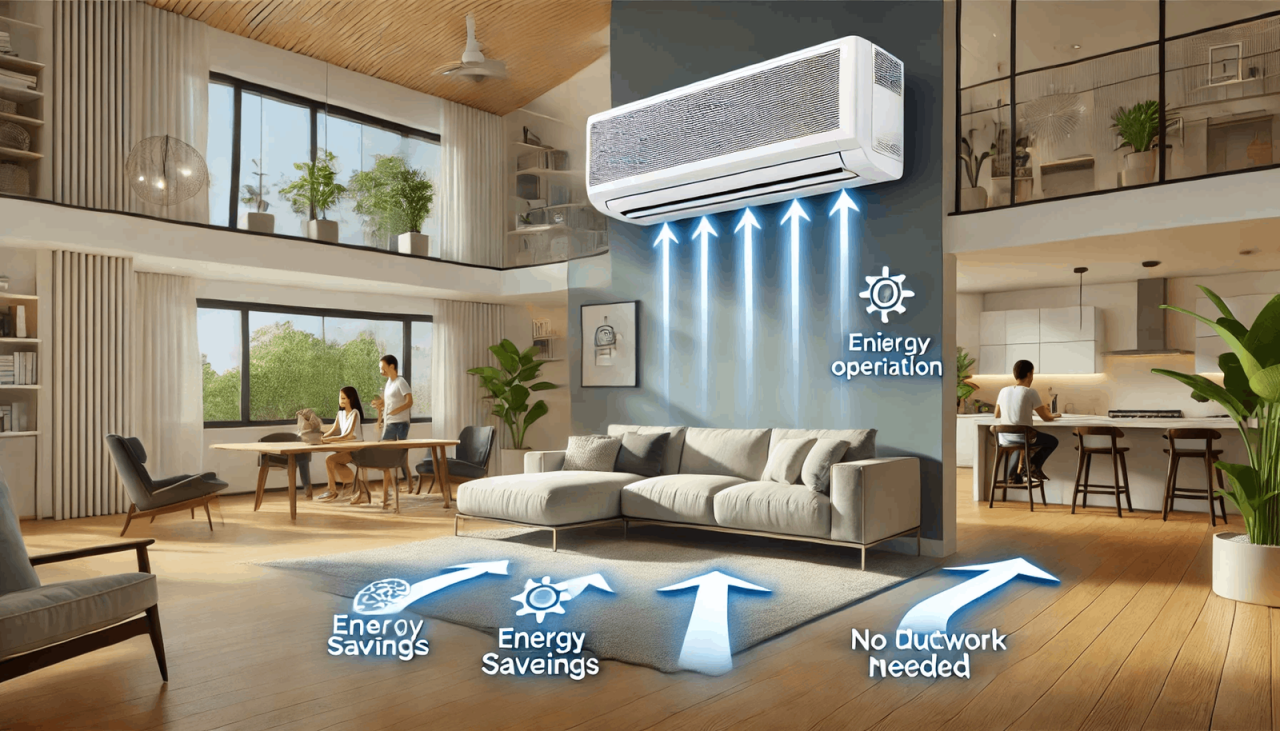
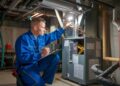
Having backup systems for heating and air conditioning is crucial to ensure comfort and safety during emergencies. When your primary HVAC system fails, backup systems can provide temporary relief until professional help arrives.
Types of Backup Systems
- Portable Space Heaters: These can be used to heat specific rooms or areas when the main heating system is not working.
- Window Air Conditioners: In case of AC failure, window units can help cool down a room or two until repairs are made.
- Generators: Backup generators can power essential HVAC components like fans and pumps during electrical outages.
Key Components of an Effective Emergency Setup
- Thermostats with Battery Power: Ensure your thermostat has backup batteries to continue regulating temperature settings.
- Emergency Heat Sources: Stock up on blankets, warm clothing, and other heat sources for temporary warmth.
- Cooling Alternatives: Have fans or portable AC units ready for use in case of air conditioning failures.
- Regular Maintenance: Keep your backup systems well-maintained and tested to ensure they function properly when needed.
Safety Precautions When Using Backup Systems
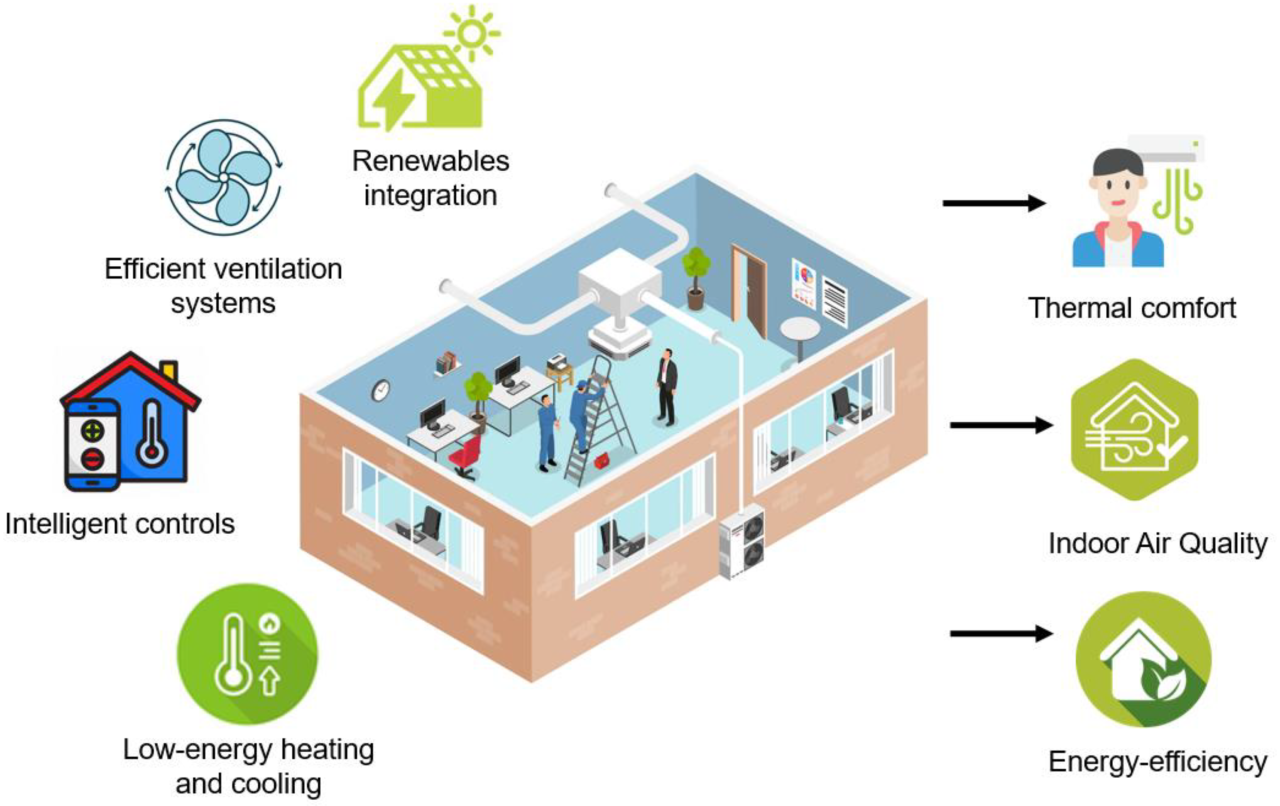
When utilizing backup heating and air systems, it is crucial to prioritize safety to prevent any accidents or health risks. Proper operation and maintenance are key to ensuring the efficient and safe functioning of these systems.Excessive use of backup heating systems can lead to carbon monoxide poisoning if not properly ventilated.
This colorless and odorless gas can be deadly when inhaled in high concentrations. Therefore, it is essential to have adequate ventilation in place when using backup systems to allow for the proper release of combustion gases.
Proper Ventilation and Air Quality Monitoring
- Ensure that the area where the backup system is located has proper ventilation to avoid the buildup of carbon monoxide and other harmful gases.
- Install carbon monoxide detectors in your home to alert you in case of any dangerous levels of this gas.
- Regularly inspect and clean air filters to maintain good air quality and prevent the circulation of pollutants.
- Keep the area around the backup system clear of any obstructions to allow for proper airflow.
Troubleshooting Common Issues with Backup Systems
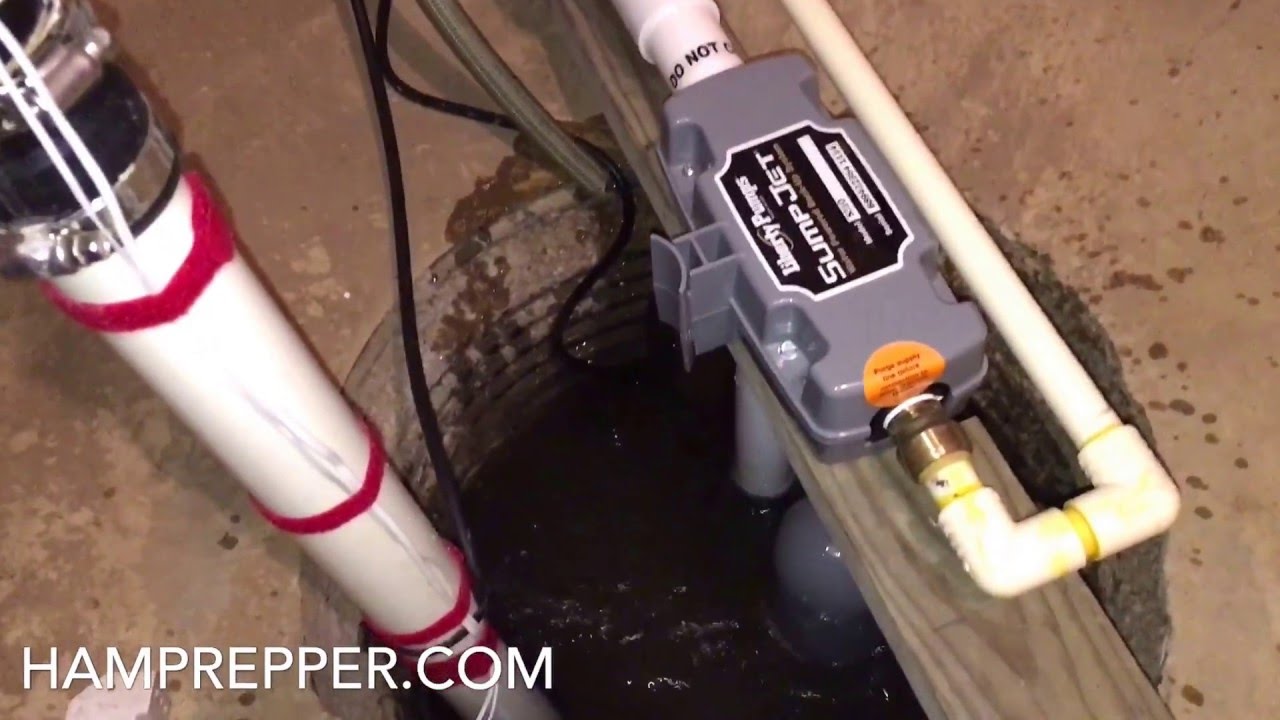
When using backup heating and air systems, it's important to be prepared for common issues that may arise. Knowing how to troubleshoot these problems can help you stay warm or cool while waiting for professional assistance.
No Heat or Cold Air
If your backup system is not producing heat or cold air, check the thermostat settings first. Make sure it is set to the desired temperature and mode (heat or cool). If the settings are correct and there is still no change, check the power source and circuit breaker to ensure everything is connected and functioning properly.
Additionally, inspect the air filters for any blockages that may be restricting airflow.
Odd Smells or Noises
If you notice strange smells or noises coming from your backup system, it could indicate a problem. Turn off the system immediately and check for any visible damage or debris. Unusual smells could be a sign of a gas leak or electrical issue, while strange noises may indicate a mechanical problem.
In these cases, it's best to contact a professional for assistance.
Inconsistent Temperature
When your backup system is providing inconsistent temperature levels, it could be due to a faulty thermostat or issues with the ductwork. Check the thermostat calibration and make sure it is placed away from any heat sources or drafts. Inspect the ductwork for leaks or blockages that may be causing uneven airflow.
Adjusting the vents and ensuring proper insulation can also help maintain consistent temperatures.
Frozen Coils
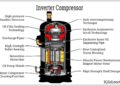
If you find that the coils in your backup system are frozen, it could be a result of restricted airflow or low refrigerant levels. Turn off the system and allow the coils to thaw before addressing the issue. Check the air filters for any blockages and ensure proper airflow to prevent future freezing.
If the problem persists, contact a professional to inspect and recharge the refrigerant levels.
Uneven Heating or Cooling
Uneven heating or cooling in different areas of your home could be caused by blocked vents, dirty filters, or improper insulation. Check all vents to ensure they are open and unobstructed. Replace or clean the air filters regularly to maintain proper airflow.
Adding insulation to windows and doors can also help regulate the temperature more effectively.
Maximizing Efficiency of Backup Systems
When it comes to emergency heating and air systems, maximizing efficiency is crucial to ensure you stay comfortable while waiting for professional help to arrive. By following some key strategies and maintenance tips, you can make the most out of your backup systems and conserve energy effectively.
Regular Maintenance Tips
- Regularly clean or replace air filters to ensure proper airflow and efficiency.
- Check for any leaks in the ductwork and seal them to prevent heat loss.
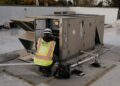
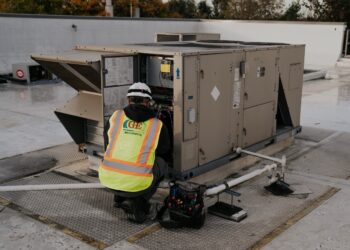
- Inspect the outdoor unit for debris and clear any obstructions to maintain optimal performance.
- Schedule annual maintenance checks with a professional to keep your backup system in top condition.
Conserving Energy Tips
- Set your thermostat to a moderate temperature to avoid unnecessary energy consumption.
- Use curtains or blinds to block out drafts and retain heat indoors during colder months.
- Close off unused rooms to focus heating efforts on the areas you are occupying.
- Consider investing in a programmable thermostat to regulate temperature efficiently based on your schedule.
FAQ Guide
What are the common types of backup systems used in emergencies?
Common types include portable electric heaters, propane heaters, and portable air conditioning units.
How can I safely operate backup heating and air systems?
Ensure proper ventilation, monitor air quality, and follow manufacturer's instructions carefully.
What are some common problems that may arise with backup systems?
Issues like insufficient heating or cooling, power failures, and clogged filters are common.
How can I optimize the efficiency of emergency heating and air systems?
Regular maintenance, proper insulation, and setting thermostats correctly can help maximize efficiency.