
Importance of High-Efficiency Media Filters
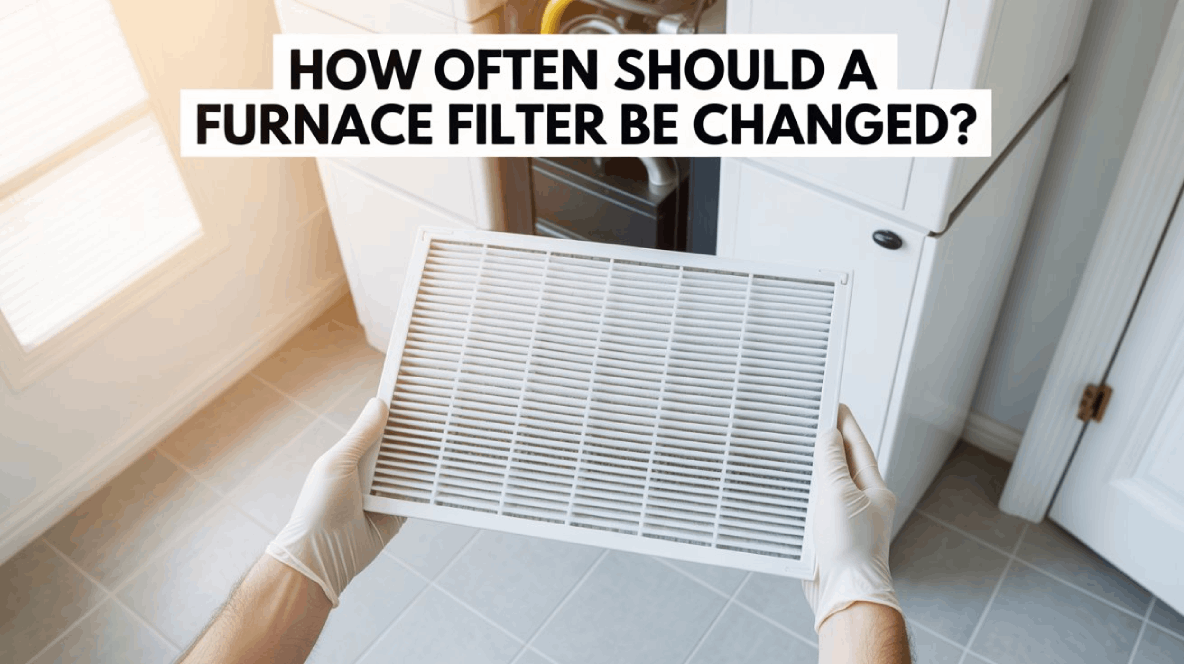
High-efficiency media filters play a crucial role in maintaining the optimal performance of a home furnace system. These filters are designed to trap smaller particles compared to standard filters, ensuring cleaner and healthier indoor air.
Contribution to Improved Indoor Air Quality
High-efficiency media filters are highly effective in capturing dust, pollen, pet dander, and other allergens present in the air. By removing these contaminants, the filters help improve indoor air quality, making the environment safer and more comfortable for occupants, especially those with allergies or respiratory issues.
Impact on Energy Efficiency and Cost Savings
Clean filters are essential for the efficient operation of a furnace system. When the filters are dirty or clogged, the system has to work harder to maintain the desired temperature, leading to increased energy consumption. By regularly replacing high-efficiency media filters, homeowners can ensure that their furnace operates at peak efficiency, resulting in lower energy bills and cost savings in the long run.
Factors Influencing Replacement Frequency
When it comes to the lifespan of high-efficiency media filters, several factors come into play that influence how often they need to be replaced. Let's delve into these variables and understand how they impact replacement frequency.
Usage Patterns
Usage patterns play a crucial role in determining how frequently high-efficiency media filters should be replaced. Filters in homes with pets, smokers, or a high occupancy tend to accumulate more debris and particles, requiring more frequent replacements compared to filters in less active households.
Environmental Conditions
The environmental conditions in which a home is situated also affect the lifespan of high-efficiency media filters. Homes located in areas with high levels of pollution, pollen, or dust will require more frequent replacements due to the increased strain on the filters caused by these external factors.
Manufacturer's Recommendations
Manufacturers typically provide guidelines on when to replace high-efficiency media filters based on the specific model and filter type. It is essential to follow these recommendations to ensure optimal performance and efficiency of the filters. Ignoring the manufacturer's guidelines may lead to reduced air quality and increased energy consumption.
Signs That Filters Need Replacement
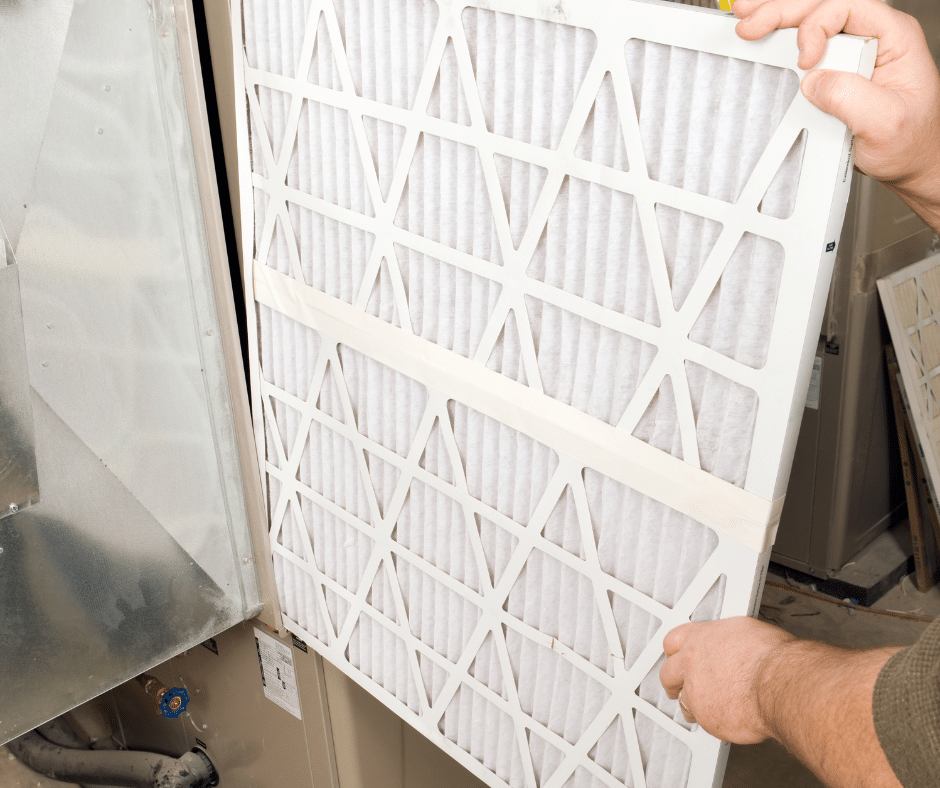
When it comes to maintaining your home furnace system, recognizing the signs that high-efficiency media filters need replacement is crucial for optimal performance and air quality. Ignoring these signs can lead to potential issues with your furnace system down the line.
Let's explore some common indicators that filters need replacement and how homeowners can visually inspect them.
Visual Inspection for Replacement
- Visible dirt or debris: If you notice a buildup of visible dirt or debris on the filter, it's a clear sign that it needs replacement. This can restrict airflow and reduce the efficiency of your furnace system.
- Discoloration: Filters that appear discolored or darkened are likely clogged and no longer effective at filtering out particles. This can lead to poor indoor air quality and strain on your furnace.
- Unusual odors: If you detect musty or unpleasant odors coming from your vents, it could indicate that the filter is saturated and needs to be replaced to prevent mold growth.
- Increased energy bills: A dirty or clogged filter can cause your furnace to work harder to maintain the desired temperature, leading to higher energy consumption and increased utility bills.
Consequences of Neglecting Filter Replacements
- Reduced efficiency: Neglecting filter replacements can reduce the efficiency of your furnace system, resulting in poor heating performance and increased wear and tear on components.
- Poor indoor air quality: Dirty filters cannot effectively trap allergens, dust, and other particles, leading to poor indoor air quality and potential health issues for occupants.
- System malfunctions: Clogged filters can cause your furnace to overheat or malfunction, leading to costly repairs or even premature system failure if left unaddressed.
- Shortened lifespan: Continuously running your furnace with dirty filters can shorten its lifespan due to increased strain on the system, resulting in the need for early replacement.
Maintenance Tips for Prolonging Filter Lifespan
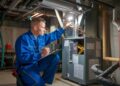
Regular maintenance is key to extending the lifespan of high-efficiency media filters and ensuring optimal performance for your home furnace. By implementing the following best practices, you can maximize the efficiency and longevity of your filters:
Regular Filter Inspections
- Inspect your filters on a monthly basis to check for any signs of dust, dirt, or damage.
- Replace filters promptly if you notice any blockages or clogs that could hinder airflow.
- Regular inspections can help you identify issues early on and prevent potential damage to your furnace.
Proper Installation
- Ensure that filters are installed correctly and securely in the designated slot within your furnace.
- Proper installation helps prevent air leakage and ensures that the filter functions effectively.
- Refer to the manufacturer's instructions for guidance on the correct installation process.
Regular Filter Replacements
- Follow the manufacturer's recommendations for filter replacement intervals based on your usage and home environment.
- Replace filters promptly at the specified intervals to maintain optimal air quality and furnace efficiency.
- Regular replacements prevent the buildup of contaminants and maintain proper airflow.
Professional Maintenance
- Schedule regular HVAC maintenance with a professional technician to ensure that your furnace and filters are in good working condition.
- A professional inspection can identify any issues early on and provide necessary repairs or replacements to prolong the lifespan of your filters.
- Professional maintenance can also help optimize the overall performance of your furnace system.
Quick FAQs
How do high-efficiency media filters contribute to improved indoor air quality?
High-efficiency media filters trap more particles, allergens, and pollutants, resulting in cleaner air circulated throughout the home.
What are some common signs that indicate high-efficiency media filters need replacement?
Reduced airflow, increased energy bills, and visible dirt or debris on the filter are common indicators that it's time to replace the filter.
What are the best practices for maintaining high-efficiency media filters?
Regularly checking and replacing filters as recommended by the manufacturer, keeping the system clean, and scheduling professional maintenance are key maintenance tips.