
Emergency Heating and Air Strategy for Server Rooms
Having a robust emergency heating and air strategy in place for server rooms is crucial to ensure the continuous operation of critical IT infrastructure. Server rooms house sensitive equipment that can overheat quickly, leading to downtime and potential data loss if not properly managed.
Common Issues Leading to Server Room Overheating
- Poor ventilation systems
- Improperly sized HVAC units
- Failure of cooling systems
- Increased server load
Potential Risks of Server Downtime Due to Overheating
- Data loss and corruption
- Decreased productivity for employees relying on IT systems
- Financial losses due to interrupted operations
- Damaged reputation with customers and stakeholders
Minimizing Downtime Impact
Minimizing downtime during server room overheating incidents is crucial to maintaining business continuity and preventing data loss. By implementing effective strategies, enterprises can reduce the negative impact of server room overheating on operations.
Proactive Measures vs Reactive Measures
Proactive measures involve preventive actions taken to avoid server room overheating, while reactive measures are responses to incidents after they occur. Proactive measures are essential for minimizing downtime impact as they help prevent overheating before it causes disruptions.
- Proactive Measures:
- Regular maintenance of HVAC systems to ensure optimal cooling efficiency.
- Implementing temperature monitoring systems to detect early signs of overheating.
- Installing redundant cooling systems for backup in case of HVAC failure.
- Establishing temperature thresholds and automated alerts for immediate action.
- Reactive Measures:
- Immediate response to overheating alerts to address the issue promptly.
- Implementing temporary cooling solutions while resolving the root cause of overheating.
- Regularly reviewing incident reports to identify patterns and prevent future occurrences.
- Conducting post-incident analysis to improve response procedures for similar situations.
Step-by-Step Guide for Implementation
Implementing a downtime minimization strategy requires a systematic approach to ensure efficiency and effectiveness.
- Assess Current Infrastructure: Evaluate the existing cooling systems and temperature monitoring tools in place.
- Identify Vulnerabilities: Determine potential points of failure or areas at risk of overheating.
- Develop a Preventive Maintenance Plan: Establish a schedule for regular HVAC maintenance and system checks.
- Deploy Monitoring Solutions: Install temperature sensors and monitoring software for real-time data analysis.
- Create Response Protocols: Define clear procedures for responding to overheating alerts and incidents.
- Train Staff: Educate IT personnel on recognizing overheating symptoms and executing response protocols.
- Test and Refine: Conduct regular drills and simulations to test the effectiveness of the downtime minimization strategy.
Temperature Monitoring and Control
Real-time temperature monitoring in server rooms is crucial for preventing overheating emergencies that can lead to downtime and potential data loss. By continuously monitoring the temperature, IT staff can quickly identify any deviations from the optimal range and take proactive measures to address them before they escalate into a critical situation.
Designing a Temperature Control System
Implementing a robust temperature control system is essential for maintaining a stable environment in server rooms. This system should include sensors strategically placed throughout the room to provide accurate temperature readings. Additionally, automated alerts should be set up to notify IT staff of any temperature fluctuations, allowing for immediate intervention.
- Utilize a central monitoring system that can track temperature levels in real-time and provide historical data for analysis.
- Integrate the temperature control system with the HVAC system to ensure efficient cooling when needed.
- Implement redundancy measures such as backup cooling units or emergency generators to mitigate the risk of temperature spikes.
Role of HVAC Systems
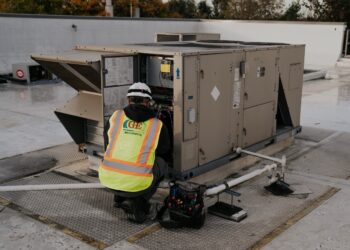
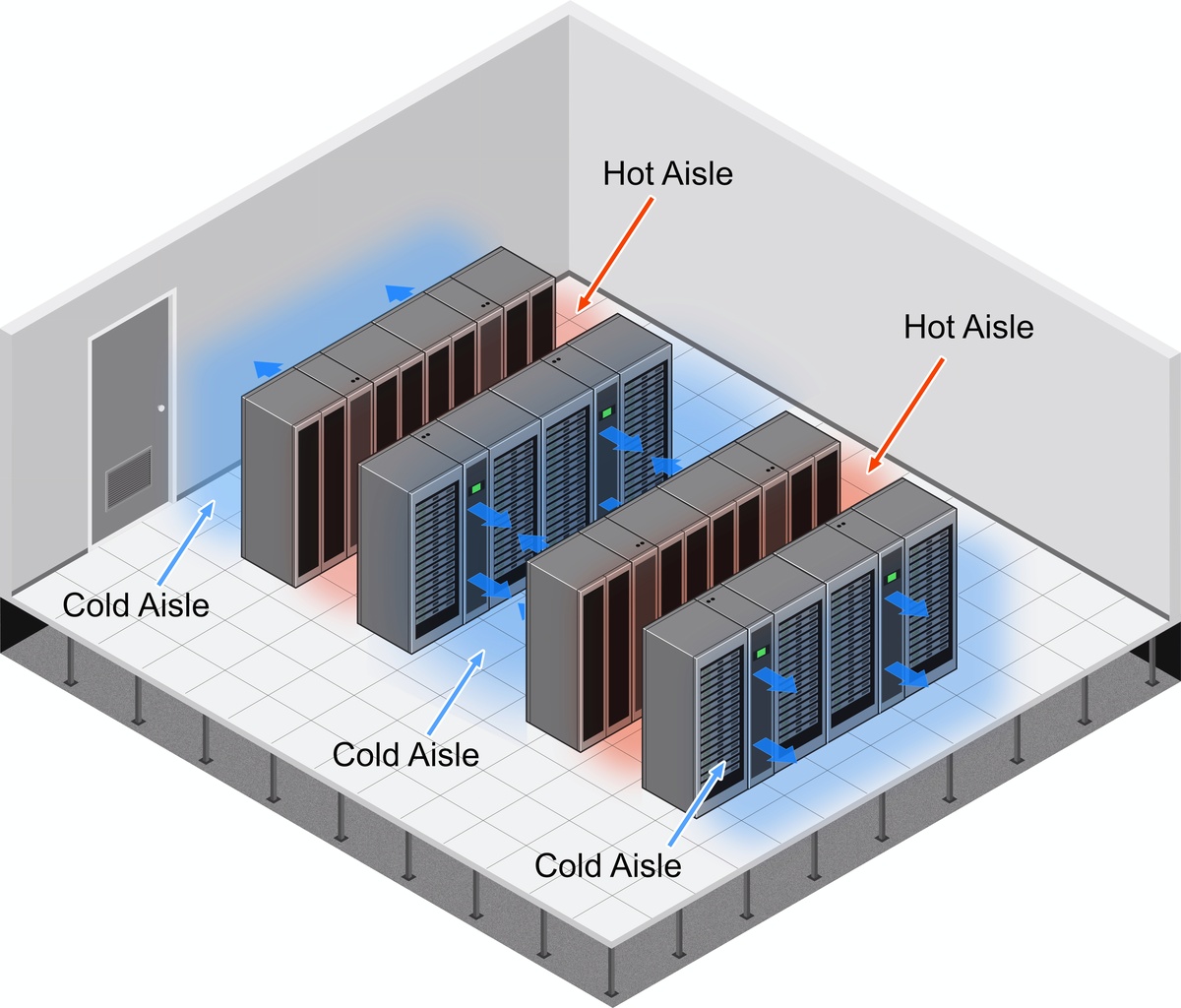
HVAC systems play a vital role in maintaining optimal temperatures in server rooms by regulating the airflow and cooling mechanisms. Properly sized and maintained HVAC units can effectively dissipate the heat generated by servers and other equipment, preventing overheating and ensuring a stable operating environment.
By integrating temperature monitoring systems with HVAC controls, organizations can proactively manage temperature levels and minimize the risk of downtime due to overheating.
Emergency Response Protocols
In the event of server room overheating, having a well-defined emergency response plan is crucial to minimize downtime and prevent potential data loss. This plan should Artikel key components and procedures that need to be followed promptly and efficiently.
Key Components of an Emergency Response Plan
- Designate an Emergency Response Team: Assign specific roles and responsibilities to team members to ensure a coordinated response.
- Establish Communication Protocols: Set up clear communication channels to alert relevant personnel and stakeholders about the overheating incident.
- Temperature Monitoring Systems: Implement automated temperature monitoring systems to provide real-time data and alerts.
- Emergency Shutdown Procedures: Define steps to safely shut down servers and equipment to prevent damage due to overheating.
Checklist for Swift and Effective Response
- Assess the Situation: Quickly evaluate the severity of the overheating issue and prioritize actions based on the impact.
- Notify Emergency Response Team: Alert designated team members and provide them with the necessary information to initiate the response plan.
- Implement Cooling Measures: Activate backup cooling systems or portable air conditioning units to lower the temperature in the server room.
- Monitor Progress: Continuously monitor temperature levels and system performance to ensure that the situation is improving.
Training Staff on Emergency Protocols
- Regular Training Sessions: Conduct training sessions to familiarize staff with emergency response procedures and protocols.
- Simulated Drills: Organize simulated drills to practice response actions and improve team coordination under pressure.
- Documented Guidelines: Provide staff with documented guidelines outlining the steps to be followed during an overheating emergency.
Quick FAQs
What are the common issues that can lead to server room overheating?
Common issues include inadequate cooling systems, poor ventilation, high server density, and equipment malfunctions. Implementing proper maintenance and monitoring can help prevent overheating.
What are the benefits of real-time temperature monitoring in server rooms?
Real-time temperature monitoring allows for immediate detection of temperature fluctuations, enabling timely intervention to prevent overheating and potential downtime.
How can businesses train their staff on emergency response protocols for server room overheating?
Businesses can conduct regular training sessions, run drills, and provide educational resources to ensure that staff are well-prepared to respond swiftly and effectively during overheating incidents.