
Importance of Emergency HVAC Services for Cold Storage Facilities
Maintaining a functioning HVAC system in a cold storage facility is crucial for preserving perishable goods. The HVAC system regulates the temperature and humidity levels, ensuring that the stored goods remain fresh and safe for consumption.
Risks Associated with HVAC System Failure
- Temperature Fluctuations: HVAC system failure can lead to drastic temperature fluctuations within the cold storage facility. This can result in spoilage of perishable goods, leading to significant financial losses for the business.
- Increased Energy Consumption: A malfunctioning HVAC system may consume more energy to maintain the desired temperature, leading to higher operational costs for the facility.
- Potential Health Hazards: Inconsistent temperature control can create an environment conducive to the growth of harmful bacteria and pathogens, posing health risks to consumers who may consume contaminated products.
Impact of Temperature Fluctuations on Stored Goods
- Deterioration of Quality: Fluctuating temperatures can accelerate the deterioration of food quality, leading to changes in texture, flavor, and nutritional content.
- Safety Concerns: Temperature variations can compromise the safety of stored goods, increasing the risk of foodborne illnesses due to bacterial growth and contamination.
- Compliance Issues: Failure to maintain proper temperature levels in a cold storage facility can result in non-compliance with food safety regulations, potentially leading to fines and legal consequences.
Common HVAC Issues in Cold Storage and Logistics Hubs
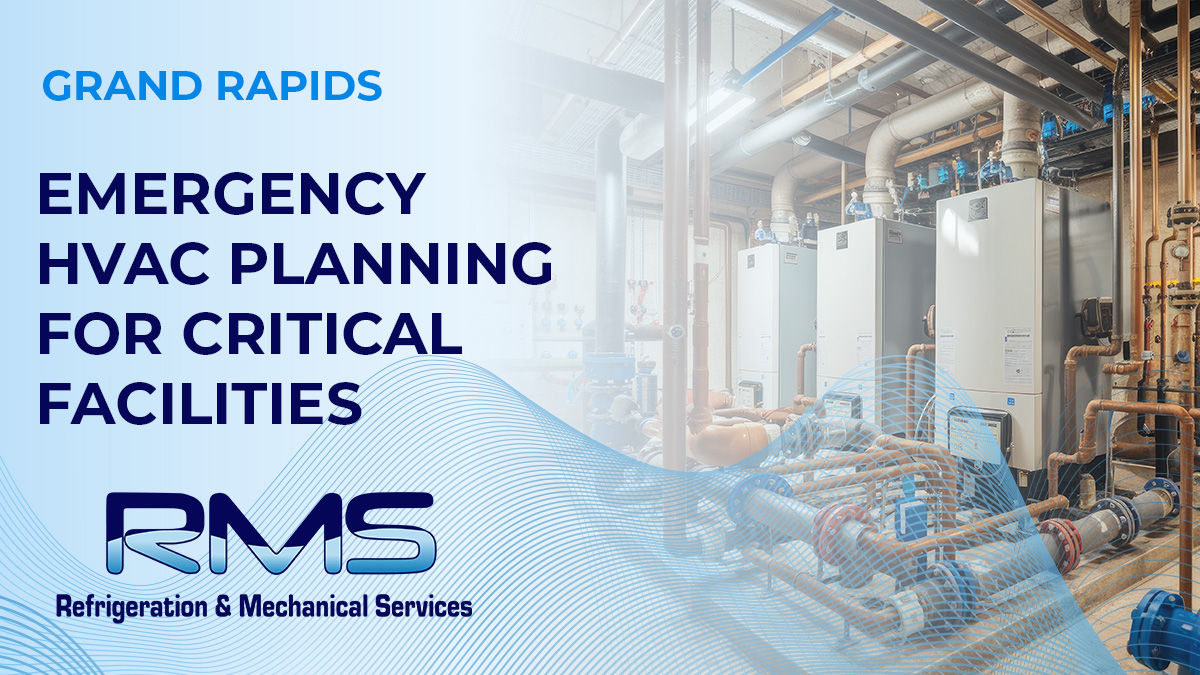
Cold storage facilities and logistics hubs are essential for preserving perishable goods, and any HVAC issues can lead to significant disruptions in operations and potential inventory loss.
Temperature Fluctuations
Temperature fluctuations in cold storage facilities can occur due to malfunctioning HVAC systems, leading to inconsistent storage conditions. This can result in spoilage of perishable goods and compromise the quality of stored inventory.
Refrigerant Leaks
Refrigerant leaks in HVAC systems can cause a drop in cooling efficiency, leading to inadequate temperature control in cold storage facilities. This can accelerate the spoilage of perishable items and result in financial losses for businesses.
Compressor Failures
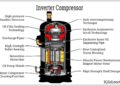
Compressor failures are common HVAC issues that can disrupt the cooling process in cold storage facilities. Without immediate repair, compressor failures can lead to a complete breakdown of the HVAC system, jeopardizing the integrity of stored inventory.
Airflow Obstructions
Airflow obstructions, such as blocked vents or ducts, can impede the circulation of cold air in storage areas. This can create uneven temperature distribution, causing certain areas to be warmer than others and potentially leading to premature spoilage of perishable goods.
Thermostat Malfunctions
Thermostat malfunctions can result in inaccurate temperature readings and improper HVAC system operation. This can lead to inadequate cooling or heating in cold storage facilities, affecting the quality and safety of stored inventory.
Immediate Action Required
In scenarios where any of these HVAC issues arise in cold storage facilities, immediate repair and maintenance are essential to prevent further disruptions and potential losses. Timely intervention by emergency HVAC services can help restore optimal storage conditions and safeguard the inventory against spoilage and damage.
Importance of Timely Response in Emergency HVAC Situations
In emergency HVAC situations, time is of the essence. A prompt response to HVAC issues can make a significant difference in preventing further damage and minimizing downtime.
Significance of Rapid Response and Repair
- Quickly addressing HVAC emergencies can prevent small issues from escalating into major problems.
- Timely repairs help maintain the optimal temperature and humidity levels required for cold storage facilities.
- Rapid response can reduce the risk of spoilage of perishable goods stored in the facility.
Consequences of Prolonged HVAC Downtime
- Extended HVAC downtime can lead to fluctuations in temperature, compromising the quality and safety of stored products.
- Loss of inventory due to spoilage or damage can result in significant financial losses for the business.
- Clients and customers relying on the cold storage facility may experience delays or disruptions in their supply chain, impacting their operations.
Preventative Maintenance Strategies for HVAC Systems in Cold Storage
Regular maintenance of HVAC systems in commercial cold storage facilities is crucial to ensure optimal performance and prevent costly breakdowns. By implementing a maintenance schedule and conducting routine inspections, facility managers can proactively address potential issues before they escalate into emergencies.
Let's explore some preventative maintenance strategies for HVAC systems in cold storage facilities.
Maintenance Schedule for HVAC Systems
- Establish a regular maintenance schedule based on manufacturer recommendations and industry best practices.
- Include tasks such as filter replacements, coil cleaning, lubrication of moving parts, and inspection of electrical components.
- Keep detailed records of maintenance activities to track system performance and identify trends over time.
Benefits of Regular Inspections and Upkeep
- Proactive maintenance helps extend the lifespan of HVAC systems and reduces the risk of unexpected failures.
- Improved energy efficiency through clean filters and well-maintained components, leading to cost savings in the long run.
- Enhanced indoor air quality for stored products and a healthier work environment for employees.
Tips for Proactive Maintenance
- Train staff on basic maintenance tasks to catch minor issues early and prevent major breakdowns.
- Invest in predictive maintenance technologies like sensors and monitoring systems to detect potential problems in real-time.
- Partner with a reliable HVAC service provider for regular inspections and professional maintenance services.
Role of Professional HVAC Services in Safeguarding Cold Storage Operations
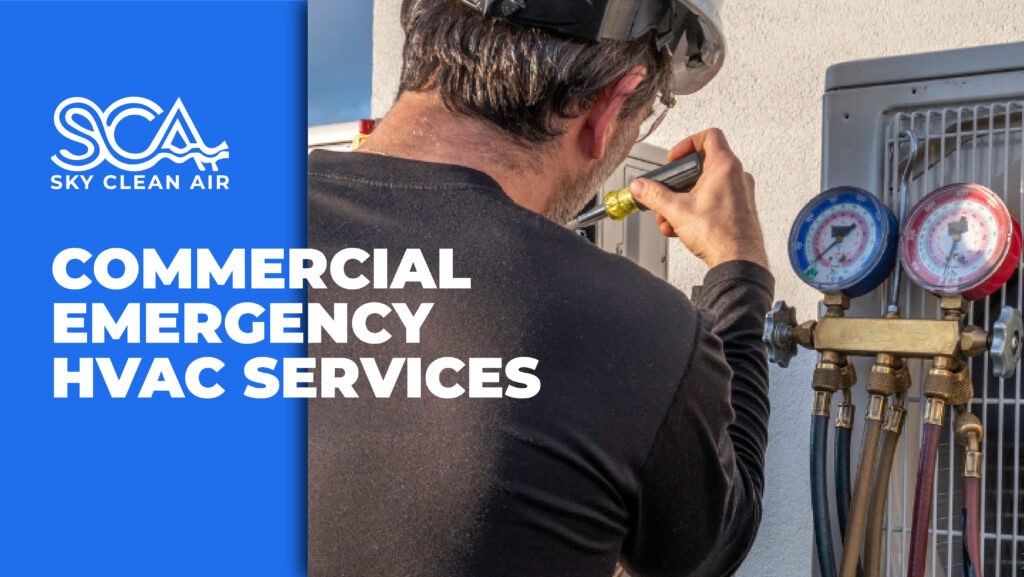
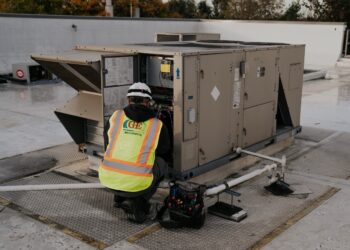
Professional HVAC services play a crucial role in safeguarding cold storage operations by providing expertise and resources to address emergency situations promptly and effectively. These trained technicians bring a wealth of knowledge and experience to the table, ensuring that HVAC repairs are carried out efficiently in critical environments.
Partnering with HVAC service providers for long-term maintenance contracts is essential for the smooth functioning of cold storage facilities.
Expertise and Resources in Emergency Situations
Professional HVAC services are equipped with the necessary expertise and resources to handle emergency situations in cold storage facilities. Trained technicians are able to quickly diagnose issues and implement solutions to prevent any disruptions in operations. Their prompt response and efficient problem-solving skills are invaluable during critical HVAC breakdowns.
Advantages of Relying on Trained Technicians
Relying on trained technicians for HVAC repairs in cold storage facilities offers numerous advantages. These professionals have the knowledge and skills to identify underlying issues, ensuring that repairs are done correctly the first time. Their familiarity with the intricacies of HVAC systems helps in maintaining optimal performance and energy efficiency, ultimately saving time and costs for the facility.
Importance of Long-Term Maintenance Contracts
Partnering with HVAC service providers for long-term maintenance contracts is essential for the ongoing health of cold storage operations. Regular maintenance visits by trained technicians help in identifying potential issues before they escalate into major problems. By establishing a proactive maintenance schedule, cold storage facilities can ensure the longevity and efficiency of their HVAC systems, minimizing downtime and costly repairs.
Answers to Common Questions
What are the risks of HVAC system failure in a cold storage facility?
In the event of HVAC system failure, perishable goods are at risk of spoilage due to temperature fluctuations, leading to potential financial losses.
Why is rapid response crucial in emergency HVAC situations?
Immediate action is essential to prevent further damage to stored inventory and maintain the required temperature levels for preserving goods.
How can regular maintenance prevent emergency HVAC situations?
By adhering to a maintenance schedule and conducting inspections, potential issues can be identified early, reducing the risk of unexpected failures.
What expertise do professional HVAC services bring to emergency situations?
Professional HVAC technicians have the knowledge and tools to diagnose and repair complex HVAC issues efficiently, ensuring minimal downtime and maximum operational efficiency.
Why is partnering with HVAC service providers for long-term maintenance contracts important?
Long-term maintenance contracts provide consistent care for HVAC systems, ensuring regular upkeep and prompt response to any emergency situations that may arise.