
Understanding Indoor Air Quality Issues
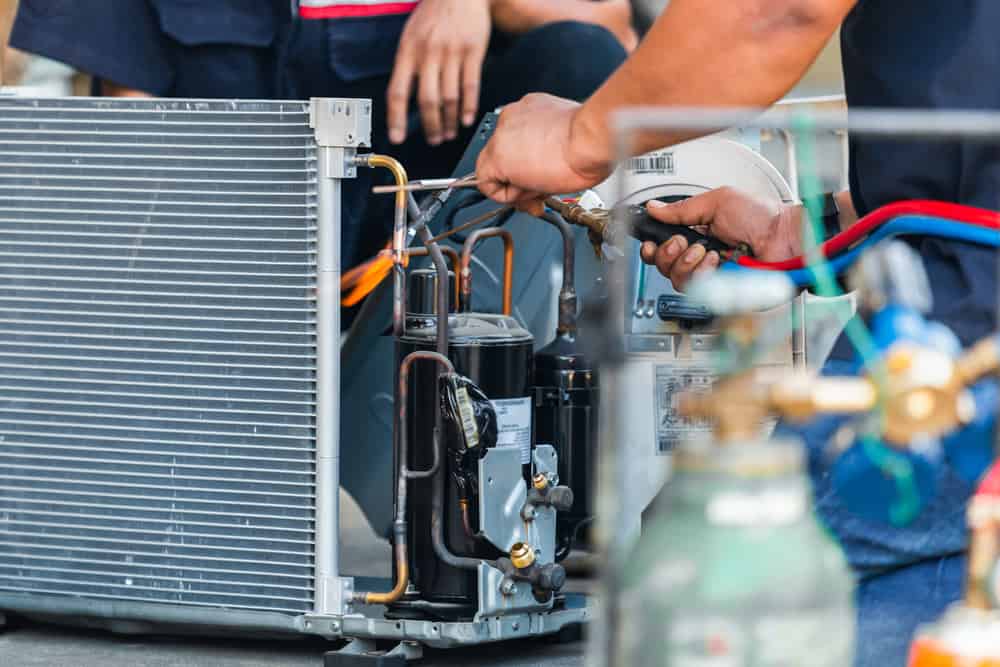
Indoor air quality is a critical aspect of our overall health and well-being, especially considering how much time we spend inside our homes. When it comes to residential HVAC systems, there are common indoor air pollutants that can impact the air we breathe and our health.
Common Indoor Air Pollutants
- Dust and dirt: Accumulates in air ducts and can circulate throughout the home, triggering allergies and respiratory issues.
- Pollen: Enters the home through open windows and doors, leading to allergy symptoms.
- Mold and mildew: Thrives in damp environments like HVAC systems, causing respiratory problems and allergic reactions.
- Pet dander: Shed by pets and can aggravate allergies and asthma symptoms.
- Volatile Organic Compounds (VOCs): Released by household products like cleaners and paints, contributing to indoor air pollution.
Impact of Poor Indoor Air Quality
Poor indoor air quality can have significant effects on our health, including:
- Aggravating allergies and asthma symptoms
- Causing respiratory issues like coughing and wheezing
- Triggering headaches, fatigue, and dizziness
- Increasing the risk of developing respiratory infections
Importance of Addressing Indoor Air Quality During HVAC Repairs
During HVAC repairs, it is crucial to address indoor air quality issues to ensure that the system is not circulating pollutants throughout the home. By improving indoor air quality, homeowners can create a healthier and more comfortable living environment for themselves and their families.
Improving Indoor Air Quality through HVAC Repair
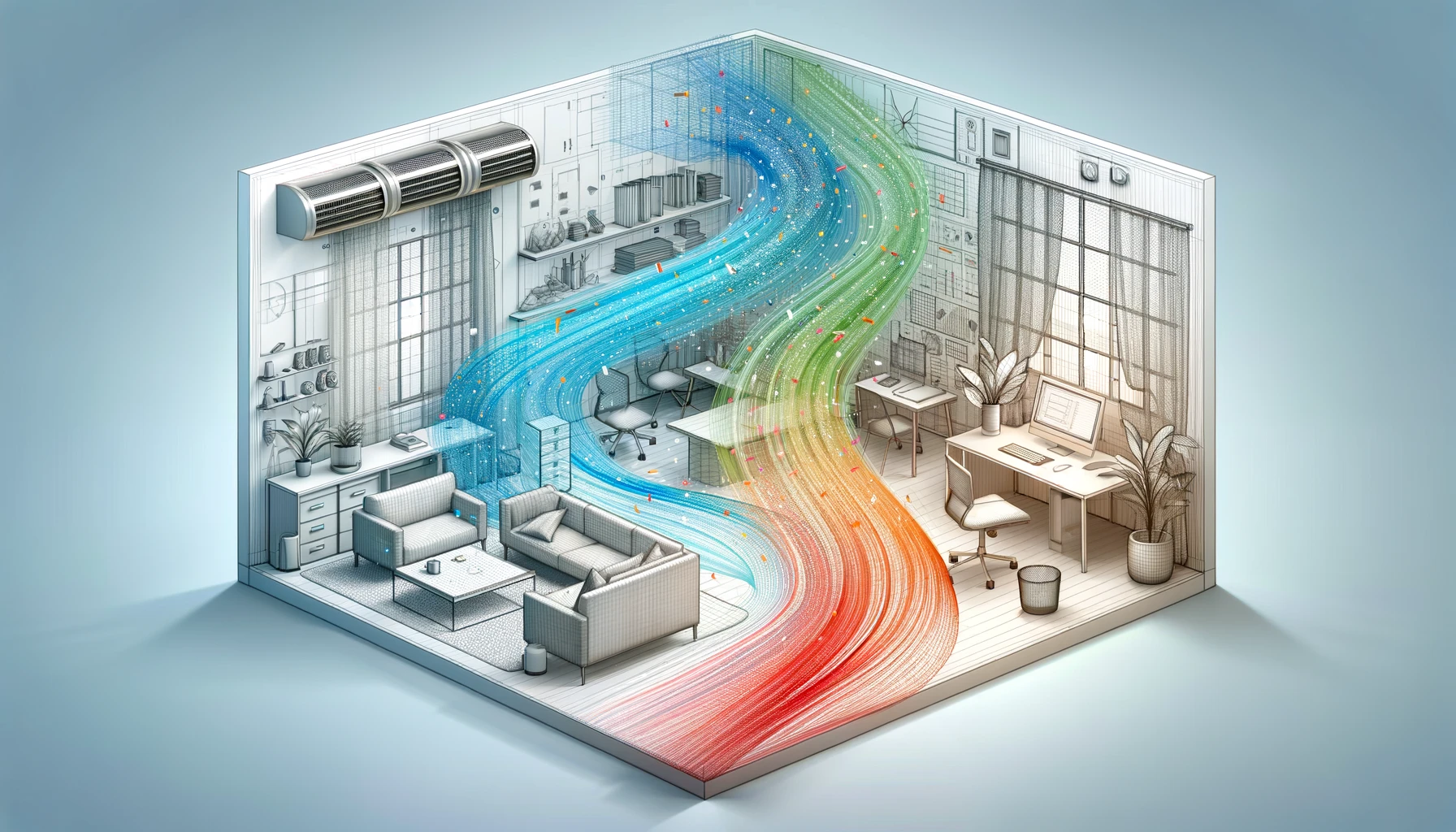
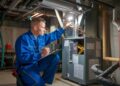
When it comes to improving indoor air quality, HVAC repair plays a crucial role in ensuring that your home environment is healthy and safe. By addressing mechanical issues and eliminating indoor air pollutants, HVAC maintenance can significantly enhance the air you breathe indoors.
Detecting Air Quality Issues during HVAC Repair
- During HVAC repair, technicians can use specialized tools to measure air quality parameters such as humidity levels, particulate matter, and volatile organic compounds.
- Common signs of poor air quality that can be detected during HVAC repair include musty odors, excessive dust buildup, and uneven temperatures throughout the house.
- Technicians may also conduct air quality tests to identify specific pollutants like mold spores, allergens, or carbon monoxide that could be affecting indoor air quality.
Eliminating Indoor Air Pollutants through HVAC Repairs
- Repairing leaky ductwork and sealing air leaks in the HVAC system can prevent outdoor pollutants from entering the indoor environment.
- Cleaning or replacing air filters regularly can help remove dust, pollen, and other particulate matter that circulates through the HVAC system.
- Installing UV germicidal lights or air purifiers in the HVAC system can kill bacteria, viruses, and mold spores, improving indoor air quality.
Role of HVAC Maintenance in Improving Indoor Air Quality
- Scheduling routine HVAC maintenance can ensure that the system is operating efficiently and effectively, reducing the risk of indoor air quality issues.
- Regular maintenance tasks such as cleaning coils, lubricating moving parts, and checking refrigerant levels can help prevent breakdowns that could impact air quality.
- HVAC maintenance can also involve inspecting and cleaning ventilation systems to remove dust and debris that can harbor allergens and pollutants.
Mechanical Issues in Residential HVAC Systems
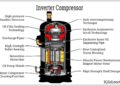
Residential HVAC systems can encounter various mechanical problems that not only affect their performance but also impact indoor air quality. Identifying and resolving these issues is crucial to ensure a healthy and comfortable environment in your home.
Common Mechanical Problems in Residential HVAC Systems
- Refrigerant leaks: Low refrigerant levels can lead to inefficient cooling and reduced air quality.
- Dirty or clogged filters: Dirty filters can restrict airflow, leading to poor air circulation and increased allergens in the air.
- Faulty thermostats: Inaccurate thermostats can cause temperature inconsistencies and discomfort in different areas of the house.
- Worn-out fan belts: Broken or loose fan belts can result in inadequate airflow and reduced efficiency of the HVAC system.
Impact of Mechanical Issues on Indoor Air Quality
Mechanical problems in residential HVAC systems can have a direct impact on indoor air quality. For example, a clogged filter can lead to the circulation of dust, pollen, and other allergens in the air, triggering respiratory issues for occupants. Refrigerant leaks can release harmful chemicals into the air, affecting the health of those inside the house.
Identifying and Resolving Mechanical Issues
Regular maintenance and inspections are key to identifying and resolving mechanical issues in HVAC systems. Hiring a professional technician to clean filters, check refrigerant levels, and inspect fan belts can help prevent potential problems and ensure optimal indoor air quality.
Best Practices for Simultaneously Addressing Air Quality and Mechanical Repairs
Improving indoor air quality while conducting HVAC repairs is crucial for ensuring a healthy and comfortable living environment. By following best practices, you can effectively address both air quality issues and mechanical repairs in residential HVAC systems.
Using High-Quality Air Filters
One of the most important steps in improving indoor air quality during HVAC repairs is using high-quality air filters. These filters can help capture and remove contaminants such as dust, pollen, and pet dander, preventing them from circulating in the air and causing respiratory issues.
Make sure to choose filters with a high MERV rating for optimal performance.
Maintaining Indoor Air Quality Post-Repair
After completing HVAC repairs, it's essential to take steps to maintain indoor air quality. This includes regularly changing air filters, scheduling routine HVAC maintenance, and keeping the indoor space clean and well-ventilated. Additionally, consider investing in air purifiers or humidifiers to further enhance air quality.
Key Questions Answered
What are some common indoor air pollutants found in residential HVAC systems?
Common indoor air pollutants include dust, pollen, mold spores, pet dander, and volatile organic compounds (VOCs) from household products. Regular HVAC maintenance can help reduce their presence.
How can HVAC repairs help eliminate indoor air pollutants?
HVAC repairs can improve ventilation, replace dirty filters, and fix duct leaks, which can effectively reduce the circulation of indoor air pollutants and enhance air quality.
What are some examples of common mechanical issues in residential HVAC systems?
Common mechanical issues include faulty thermostats, refrigerant leaks, clogged filters, and motor failures. These issues can impact both the performance of the HVAC system and indoor air quality.
Why is using high-quality air filters important during HVAC repairs?
High-quality air filters can effectively capture dust, allergens, and other pollutants, improving indoor air quality. They also help prevent debris from entering the HVAC system and causing mechanical issues.
How can homeowners maintain indoor air quality after completing HVAC repairs?
Homeowners can maintain indoor air quality by regularly changing filters, scheduling routine HVAC maintenance, ensuring proper ventilation, and keeping indoor spaces clean and free from contaminants.