
Introduction
Reliable 24-hour heating and air in commercial retail spaces refer to the continuous availability of heating and cooling systems that ensure a comfortable indoor environment throughout the day. These systems play a crucial role in maintaining optimal temperatures, humidity levels, and air quality within retail establishments.
Importance of HVAC Systems
HVAC systems are essential for creating a pleasant shopping experience for customers and a productive work environment for employees. By regulating indoor temperatures and air quality, these systems enhance comfort and overall satisfaction, leading to increased foot traffic and longer customer dwell times.
Moreover, HVAC systems directly impact operational costs in commercial retail spaces. Energy-efficient heating and cooling solutions help reduce utility expenses, contributing to the bottom line of businesses. Properly maintained HVAC systems also prolong equipment lifespan and minimize repair and replacement costs.
Significance of Uninterrupted Services
Uninterrupted heating and cooling services are vital for ensuring business continuity in commercial retail spaces. Sudden HVAC failures can result in discomfort for customers and staff, leading to decreased productivity and potential revenue loss. By having reliable 24-hour heating and air systems in place, businesses can avoid disruptions and maintain a conducive environment for operations.
Cost Considerations
When it comes to the economic impact of reliable 24-hour heating and air systems in commercial retail spaces, cost considerations play a crucial role. Let's delve into the various aspects related to the initial investment, energy consumption, long-term cost savings, and maintenance of HVAC systems.
Initial Investment
The initial investment required for installing a reliable 24-hour heating and air system in a commercial retail space can vary depending on the size of the space, the complexity of the system, and the quality of the equipment. On average, businesses can expect to spend anywhere from $10,000 to $30,000 for a complete HVAC system installation.
Energy Consumption and Operational Costs
When comparing traditional HVAC systems with more energy-efficient models, the difference in energy consumption and operational costs becomes evident. Energy-efficient models may have a higher upfront cost but can lead to significant savings in the long run by reducing energy bills and operational expenses.
Long-Term Cost Savings
Investing in a reliable HVAC system may result in long-term cost savings for commercial retail spaces. By choosing energy-efficient models, businesses can lower their utility bills, improve energy efficiency, and increase overall cost-effectiveness over time.
Maintenance and Servicing
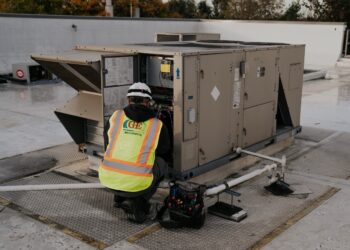
Regular maintenance and servicing of HVAC systems are essential to ensure optimal performance and longevity. Neglecting maintenance can lead to higher repair costs, decreased energy efficiency, and potential system failures. By investing in routine maintenance, businesses can prolong the lifespan of their HVAC systems and avoid costly repairs in the future.
Impact on Customer Experience
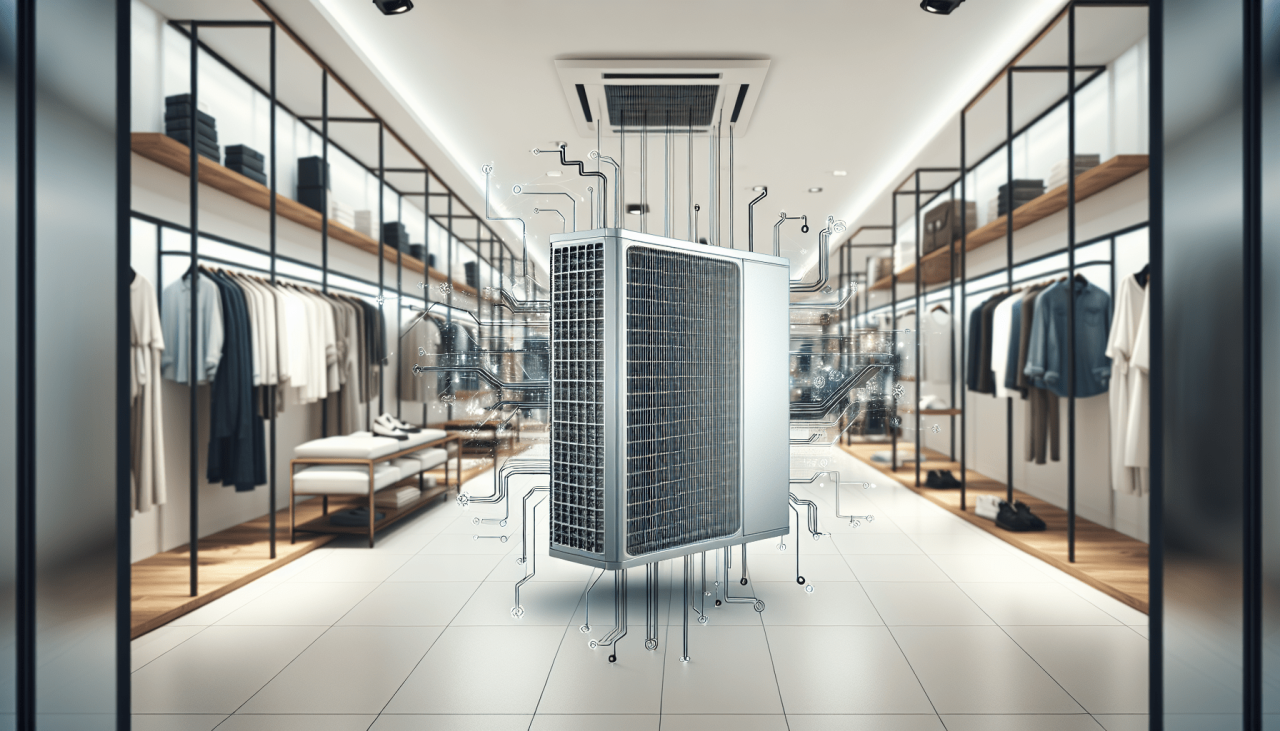
When it comes to commercial retail spaces, customer experience plays a crucial role in determining the success of a business. Temperature control, provided by reliable heating and air conditioning systems, directly impacts customer satisfaction and retention. A comfortable shopping environment not only influences customer behavior but also affects their purchasing decisions.
Influence of Temperature Control on Customer Behavior
- Customers are more likely to spend time browsing and shopping in a store that maintains a comfortable temperature.
- Ambient temperature affects mood and overall experience, leading to increased likelihood of making purchases.
- In extreme weather conditions, a well-regulated HVAC system can provide relief and encourage customers to stay longer in the store.
Role of HVAC Systems in Creating a Welcoming Atmosphere
- Properly functioning heating and air conditioning systems help maintain a consistent temperature, creating a welcoming atmosphere for customers.
- Customers are more likely to have a positive perception of a store that prioritizes their comfort through effective HVAC systems.
- A comfortable environment can enhance the overall shopping experience and increase the likelihood of repeat visits.
Negative Impact of Unreliable Heating and Air Conditioning
- Unreliable heating and air conditioning systems can lead to uncomfortable shopping conditions, resulting in dissatisfied customers.
- Extreme temperatures, whether too hot or too cold, can drive customers away and impact their perception of the store negatively.
- Poorly regulated temperature control can deter customers from spending time in the store and ultimately affect sales and customer loyalty.
Productivity and Employee Well-being
Maintaining a conducive working environment in commercial retail spaces is crucial for enhancing productivity and promoting the well-being of employees. Indoor air quality and temperature regulation play a significant role in determining the overall satisfaction and performance of workers.
Connection Between Indoor Air Quality and Productivity
- Good indoor air quality can lead to improved cognitive function and concentration among employees.
- Poor air quality, on the other hand, can result in headaches, fatigue, and respiratory issues, impacting productivity negatively.
- Proper ventilation and air filtration systems are essential for maintaining high air quality standards in the workplace.
Importance of Employee Well-being
- A comfortable working environment contributes to employee satisfaction, reducing stress levels and absenteeism.
- Well-being initiatives, such as temperature control and adequate lighting, can boost morale and overall job satisfaction.
- Investing in employee well-being not only improves productivity but also aids in talent retention and recruitment.
Health Risks and Temperature Control
- Inadequate temperature control can lead to discomfort, affecting employee focus and efficiency.
- Extreme temperatures can cause health issues like dehydration, heat exhaustion, or cold-related illnesses.
- Regular maintenance of HVAC systems is crucial to ensure optimal temperature levels and prevent health risks.
Optimizing HVAC Systems for Enhanced Performance
- Implementing smart thermostats and zoning systems can help regulate temperatures efficiently based on occupancy and usage patterns.
- Regularly changing air filters and scheduling HVAC inspections can improve air quality and system efficiency.
- Offering flexible workspaces with personalized temperature settings can cater to individual preferences, promoting a comfortable work environment.
Popular Questions
What is the importance of HVAC systems in commercial retail spaces?
HVAC systems are crucial for maintaining a comfortable environment for customers and employees, impacting operational costs and business continuity.
How does temperature control affect customer satisfaction?
Temperature control directly influences customer satisfaction, affecting their behavior and purchasing decisions while shopping.
What are the potential health risks of poor indoor air quality?
Poor indoor air quality can lead to health issues such as respiratory problems and allergies among employees and customers.