
Overview of Inverter Compressors in Residential HVAC Repair
Inverter compressors play a crucial role in the functioning of HVAC systems, especially in residential settings. These compressors are designed to adjust the speed of the compressor motor based on the heating or cooling needs of the space, providing more precise temperature control.
Energy Efficiency Comparison
Inverter compressors are known for their energy efficiency compared to traditional compressors. By operating at varying speeds rather than simply turning on and off like traditional compressors, inverter compressors consume less energy. This results in lower energy bills for homeowners and reduced strain on the HVAC system.
Consistent Indoor Temperatures
One of the key benefits of inverter compressors is their ability to maintain consistent indoor temperatures. Traditional compressors often result in temperature fluctuations as they turn on and off to meet the thermostat setting. Inverter compressors, on the other hand, can adjust their speed to match the exact cooling or heating requirements, leading to a more stable and comfortable indoor environment.
Technology Behind Modern Inverter Compressors
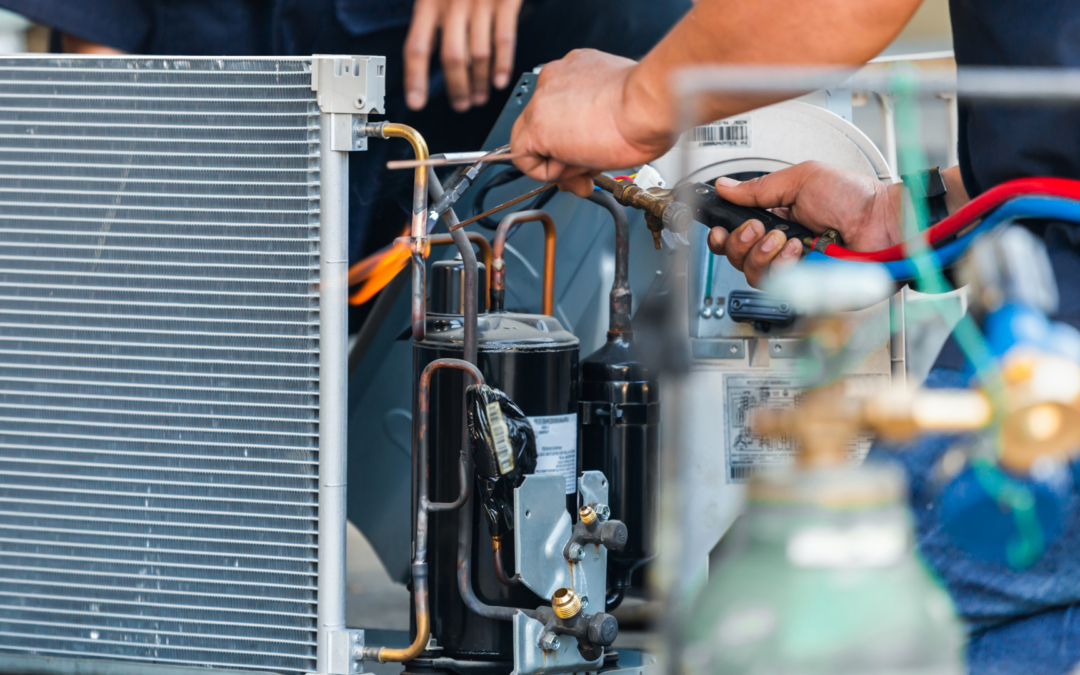
In residential HVAC systems, modern inverter compressors play a crucial role in ensuring efficient cooling and heating. These compressors are equipped with advanced technology that allows for variable-speed operation, optimizing energy consumption and enhancing overall performance.
Components of Modern Inverter Compressors
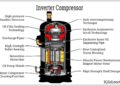
Modern inverter compressors consist of several key components that work together to regulate the speed of the compressor and match the cooling or heating output to the specific requirements of the space. These components include:
- Compressor: The heart of the system, responsible for compressing the refrigerant gas.
- Inverter: Controls the speed of the compressor motor, allowing for variable-speed operation.
- Sensors: Monitor various parameters such as temperature, pressure, and humidity to provide feedback for the control algorithms.
- Control Algorithms: Use data from sensors to adjust the speed of the compressor motor and optimize performance based on real-time conditions.
By combining these components, modern inverter compressors can achieve precise control over cooling and heating output, resulting in improved energy efficiency and comfort.
Variable-Speed Technology in Inverter Compressors
Variable-speed technology in inverter compressors enables the compressor motor to operate at different speeds, rather than simply turning on and off like traditional compressors. This allows the system to adjust the cooling or heating capacity based on the actual demand, leading to significant energy savings and more consistent temperature control.
Role of Sensors and Control Algorithms
Sensors play a crucial role in gathering data on the operating conditions of the HVAC system, such as indoor and outdoor temperatures, humidity levels, and airflow. This data is then processed by control algorithms, which make real-time adjustments to the speed of the compressor motor to ensure optimal performance and efficiency.Overall, the technology behind modern inverter compressors represents a significant advancement in residential HVAC systems, offering improved comfort, energy savings, and precise temperature control for homeowners.
Benefits of Using Inverter Compressors for Residential HVAC Systems
Inverter compressors offer several advantages when it comes to residential HVAC systems. They not only help in reducing energy consumption but also enhance comfort levels in homes while operating quietly compared to traditional systems.
Reducing Energy Consumption
Using inverter compressors in residential HVAC systems can significantly reduce energy consumption. These compressors have variable speed capabilities, which allow them to adjust their speed based on the cooling or heating requirements of the space. This means that they do not have to constantly turn on and off like traditional compressors, leading to more efficient operation and lower energy bills.
Enhanced Comfort Levels
Inverter compressors contribute to enhanced comfort levels in homes by providing more precise temperature control. The ability to adjust the compressor speed based on the actual demand helps maintain a consistent temperature throughout the house, eliminating sudden temperature fluctuations. This results in a more comfortable living environment for residents.
Quieter Operation
One of the key benefits of inverter compressors is their quieter operation compared to traditional HVAC systems. The variable speed technology allows the compressor to run at lower speeds when the demand is low, reducing noise levels significantly. This makes the overall operation of the HVAC system much quieter, creating a more peaceful and enjoyable indoor environment for homeowners.
Maintenance and Troubleshooting Tips for Inverter Compressors
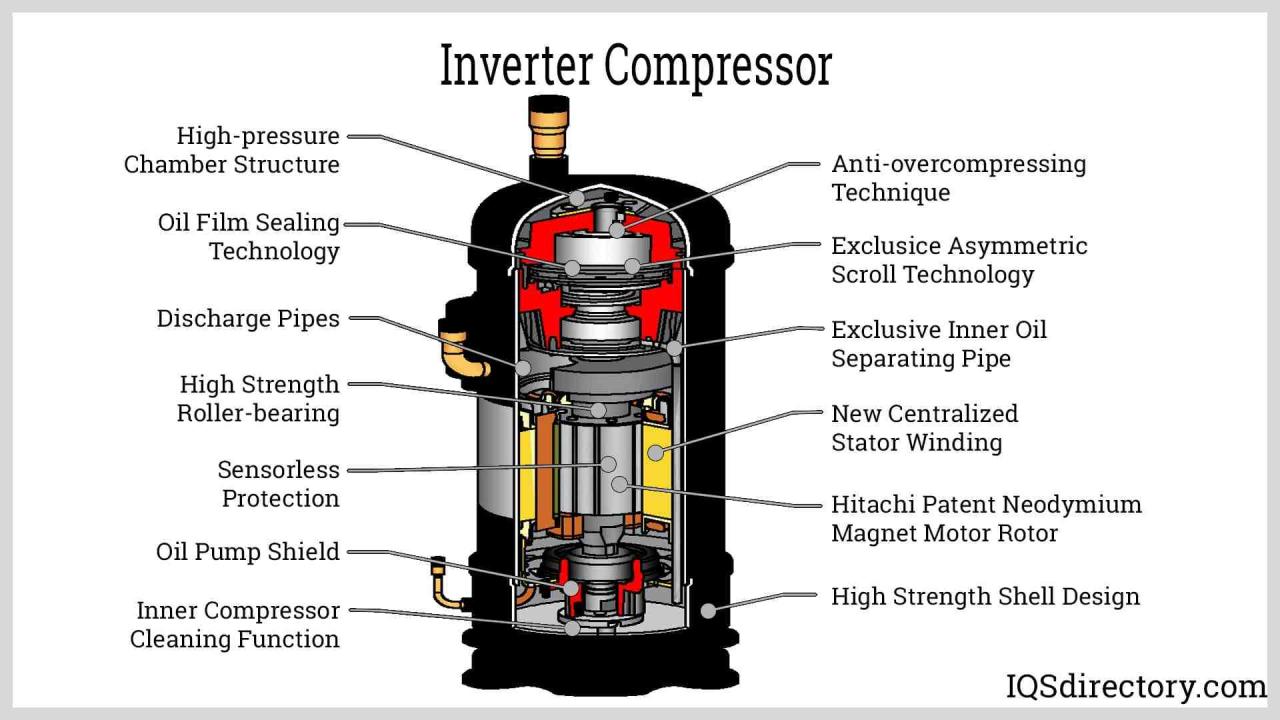
Regular maintenance tasks are crucial to ensure the longevity and efficiency of inverter compressors in residential HVAC systems. By following a routine maintenance schedule, homeowners can prevent potential issues and extend the lifespan of their HVAC units.
Common Maintenance Tasks for Inverter Compressors
- Regularly clean or replace air filters to maintain proper airflow and prevent strain on the compressor.
- Inspect and clean the outdoor unit to remove any debris or obstructions that could affect the compressor's performance.
- Check refrigerant levels and ensure there are no leaks in the system to maintain optimal cooling efficiency.
- Tighten electrical connections and inspect wiring for any signs of damage to prevent electrical issues.
Common Issues and Troubleshooting for Inverter Compressors
- High Energy Consumption:If the compressor is consuming more energy than usual, check for dirty filters or a refrigerant leak that may be causing the issue.
- Short Cycling:Short cycling can indicate a faulty sensor or an oversized unit. Contact a professional technician to diagnose and fix the problem.
- Strange Noises:Unusual noises coming from the compressor could be due to loose components or a failing motor. It's essential to have a technician inspect and repair the compressor to prevent further damage.
- Error Codes:Inverter compressors may display error codes that indicate specific issues. Refer to the user manual or consult with a professional technician to troubleshoot and resolve the problem.
Importance of Professional HVAC Technicians
- Professional HVAC technicians have the expertise and tools to accurately diagnose and repair inverter compressors, ensuring the safety and efficiency of the HVAC system.
- Attempting to troubleshoot or repair complex compressor issues without proper training can lead to further damage and safety hazards. It's best to rely on qualified professionals for inverter compressor maintenance and repairs.
FAQ Corner
What are the common maintenance tasks required for inverter compressors?
Regularly cleaning or replacing filters, checking refrigerant levels, and ensuring proper airflow are essential maintenance tasks for inverter compressors.
How do inverter compressors contribute to quieter operation in residential HVAC systems?
Inverter compressors adjust their speed based on the cooling needs, leading to less noisy operation compared to traditional compressors that frequently turn on and off.
What role do sensors play in optimizing the performance of inverter compressors?
Sensors monitor various aspects of the system and provide real-time data to control algorithms, allowing the compressor to adjust its output efficiently for optimal performance.