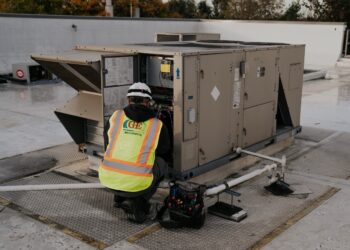

Common Mistakes in Home Furnace Repair
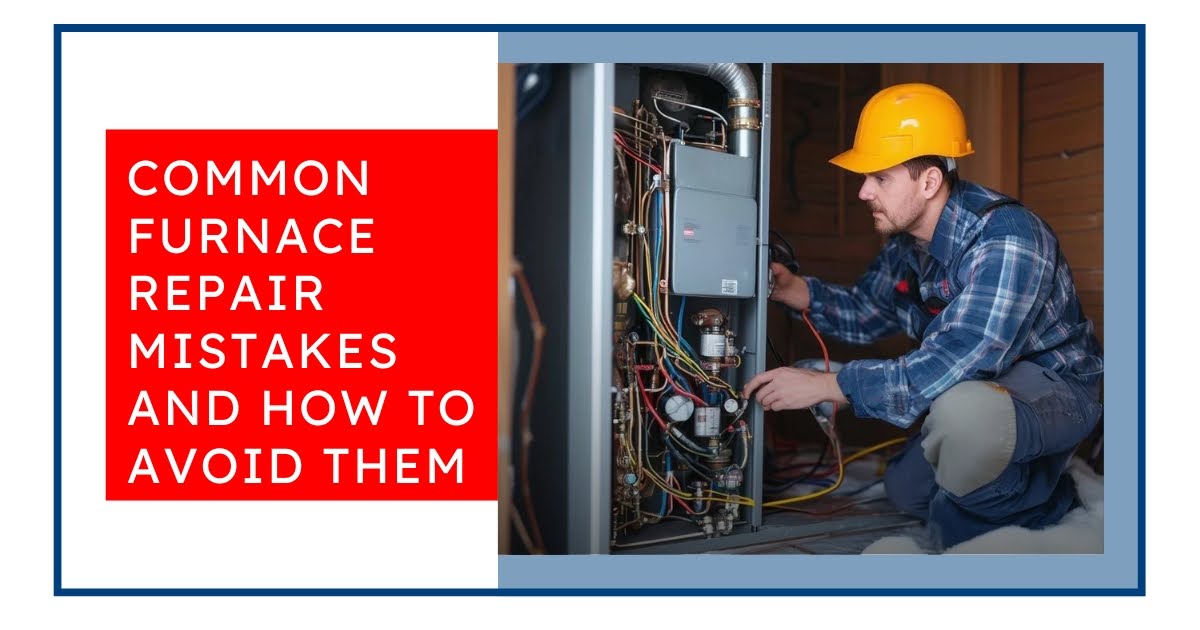
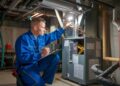
When it comes to repairing a home furnace, many homeowners attempt to fix issues themselves without proper knowledge or experience. Unfortunately, these DIY repairs can often lead to more problems, including overheating and system shutdowns.
Ignoring Regular Maintenance
One common mistake is neglecting regular maintenance tasks such as cleaning or replacing air filters. Dirty filters can restrict airflow, causing the system to work harder and potentially overheat.
Incorrect Thermostat Settings
Another mistake is setting the thermostat too high, which can cause the furnace to run longer than necessary and overheat. Improper thermostat settings can also lead to short cycling, where the system turns on and off frequently, putting unnecessary strain on the unit.
DIY Repairs Without Proper Knowledge
Attempting to fix complex issues without the necessary expertise can result in improper repairs that worsen the problem. For example, incorrectly installing a new part or adjusting settings can lead to overheating and system malfunctions.
Blocked Vents or Ductwork
Neglecting to check and clear blocked vents or ductwork can restrict airflow, causing the system to overheat. It's essential to ensure proper ventilation to prevent overheating and potential system shutdowns.
Ignoring Warning Signs
Many homeowners overlook warning signs such as strange noises, unusual smells, or frequent cycling. Ignoring these signs can lead to serious issues like overheating and system breakdowns. It's crucial to address any abnormalities promptly to prevent further damage.
Importance of Regular Maintenance
Regular maintenance is crucial for ensuring the efficient and safe operation of your home furnace. By performing routine maintenance tasks, you can prevent unexpected breakdowns, extend the lifespan of your system, and ensure that it continues to operate at peak performance.
Recommended Maintenance Schedule
- Change air filters every 1-3 months to ensure proper airflow and prevent dust and debris buildup.
- Inspect and clean the blower and fan blades annually to maintain optimal efficiency.
- Check and lubricate moving parts, such as motors and bearings, every 6 months to reduce friction and wear.
- Inspect the exhaust flue for blockages or leaks annually to prevent carbon monoxide buildup.
Potential Risks of Neglecting Maintenance
Neglecting routine maintenance tasks can lead to a variety of issues that can impact the performance and safety of your home furnace. These risks include:
- Reduced efficiency, resulting in higher energy bills.
- Increased likelihood of breakdowns and costly repairs.
- Poor indoor air quality due to dust and debris buildup.
- Potential safety hazards, such as carbon monoxide leaks.
Signs of Overheating in a Home Furnace
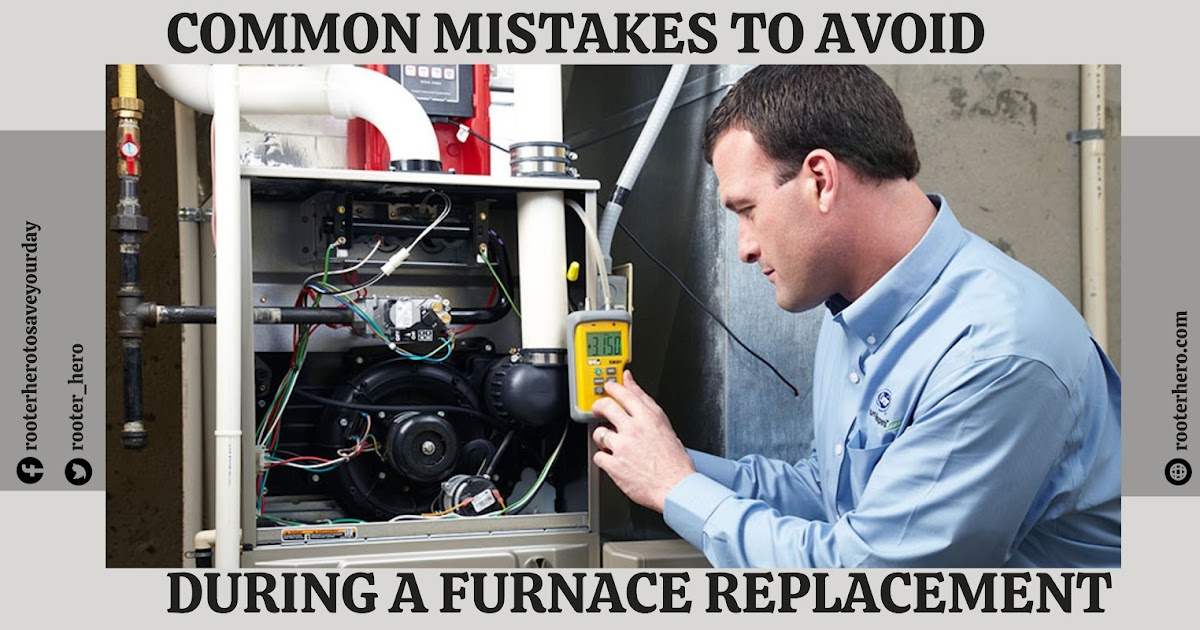
When a home furnace starts to overheat, it can lead to serious issues and potentially cause damage to the system. Recognizing the signs of overheating is crucial in order to address the problem promptly and prevent any further damage
Common Signs of Overheating:
- Unusual or burning smell coming from the furnace.
- Excessive heat coming from the furnace unit.
- Frequent cycling on and off of the furnace.
- Loud or unusual noises coming from the furnace during operation.
- Visible soot or rust around the furnace area.
These signs of overheating differ from other furnace issues as they specifically indicate that the system is operating at a higher temperature than it should be. While other furnace problems may also cause issues with heating or airflow, overheating poses a greater risk of system damage and potential safety hazards.
What to Do if You Suspect Overheating:
- Turn off the furnace immediately and allow it to cool down.
- Check the air filters and ensure they are clean and not blocked.
- Inspect the vents and ductwork for any blockages or obstructions.
- Contact a professional HVAC technician to inspect and repair the furnace if needed.
- Schedule regular maintenance to prevent future overheating issues.
Preventive Measures for Avoiding System Overheating
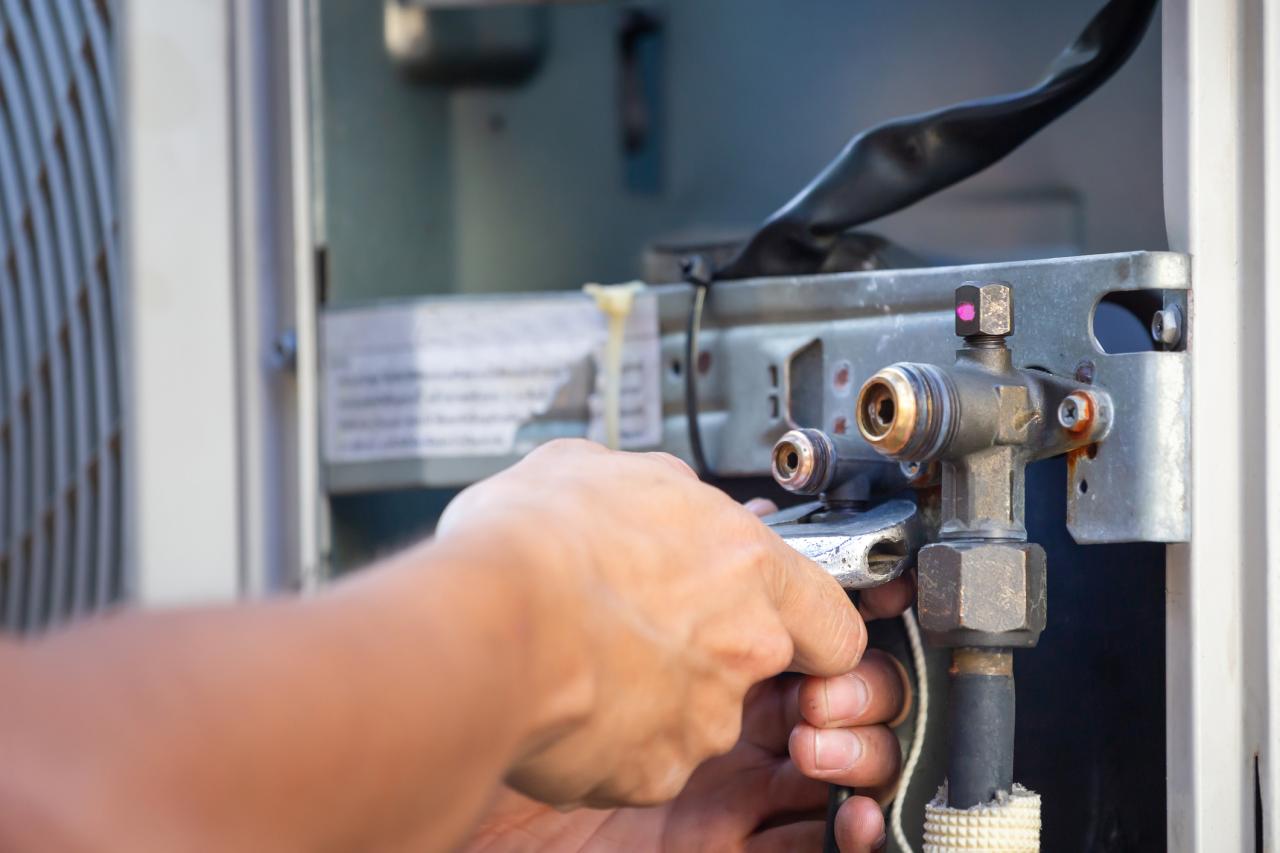
To avoid overheating issues in your home furnace, there are several preventive measures that homeowners can take to ensure optimal operation and avoid costly repairs.
Proper Ventilation and Airflow
Proper ventilation and airflow are crucial in preventing overheating in your home furnace. Make sure that all vents and registers are clear of obstructions, allowing for efficient air circulation throughout your home.
Regular Filter Changes and Cleaning
Regular filter changes and cleaning are essential in maintaining optimal furnace operation. Clogged filters can restrict airflow, causing the system to work harder and potentially overheat. Make it a habit to replace filters every 1-3 months, depending on usage, and schedule regular professional maintenance to keep your furnace running smoothly.
Essential FAQs
What are the common consequences of DIY furnace repairs gone wrong?
Improper DIY repairs can lead to further damage, system inefficiency, and even safety hazards. It's crucial to seek professional help if unsure.
How often should furnace filters be changed to prevent overheating?
Experts recommend changing filters every 1-3 months to maintain proper airflow and prevent overheating issues.
What are the key signs that indicate a home furnace is overheating?
Common signs include strange noises, uneven heating, and a burning smell. Immediate action is necessary to prevent system shutdowns.