
Understanding Strange Noises in Ductwork
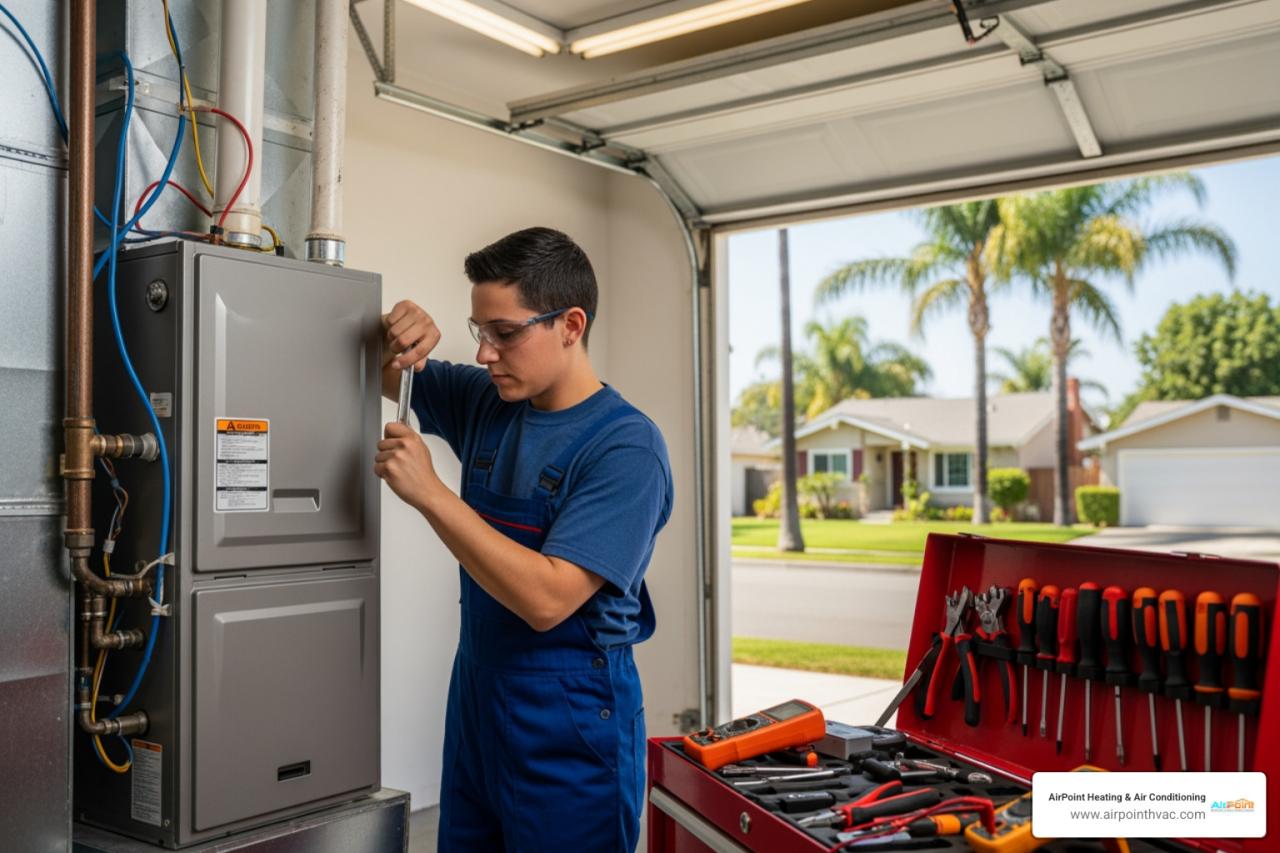
When it comes to your residential HVAC system, strange noises in the ductwork can be concerning. Understanding the types of noises and their potential causes can help homeowners differentiate between normal sounds and ones that require attention.
Types of Strange Noises
- Rattling or clanking sounds
- Whistling or hissing noises
- Banging or popping sounds
Potential Causes
- Loose or broken duct connections
- Debris or obstructions in the ductwork
- Issues with the blower motor or fan
Dealing with Odors from Ductwork
When it comes to HVAC systems, unpleasant odors can be a common issue that homeowners face. These odors can range from musty and moldy smells to burning and chemical-like scents. Understanding the different types of odors and their potential health implications is crucial in maintaining a healthy indoor environment.
Below are some insights and best practices for dealing with odors from ductwork.
Types of Odors and Health Implications
- Musty Odors: Musty smells often indicate the presence of mold or mildew in the ductwork. Exposure to mold can trigger allergies and respiratory issues, especially in individuals with existing respiratory conditions.
- Burning Odors: Burning odors may be a sign of overheating components in the HVAC system. Inhaling burnt odors can lead to respiratory irritation and pose a fire hazard if not addressed promptly.
- Chemical-like Odors: Chemical odors can result from volatile organic compounds (VOCs) released by cleaning agents, paint, or other household products. Prolonged exposure to VOCs can cause headaches, dizziness, and other health issues.
Best Practices for Eliminating Odors
- Regular Maintenance: Schedule routine HVAC maintenance to keep the system clean and prevent the buildup of contaminants that can cause odors.
- Air Duct Cleaning: Professional duct cleaning can remove mold, dust, and debris that contribute to foul odors in the ductwork.
- Proper Ventilation: Ensure adequate ventilation in your home to reduce the concentration of indoor air pollutants and prevent odors from lingering.
- Use of Air Purifiers: Consider using air purifiers with HEPA filters to trap odors and harmful particles present in the air.
DIY Maintenance for Noise Reduction
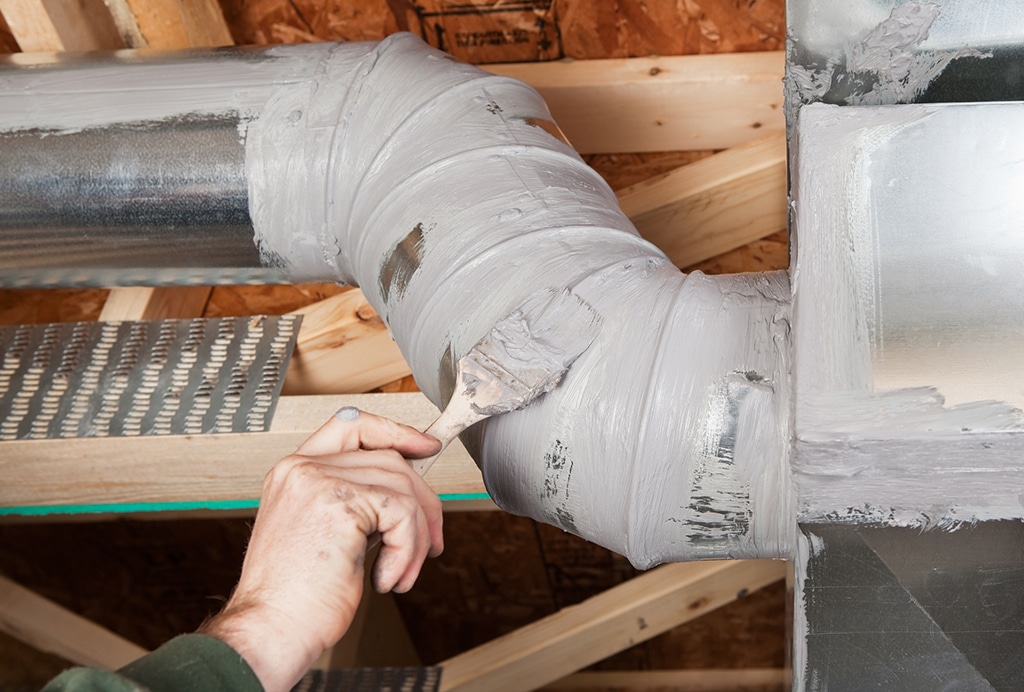
When it comes to reducing noise in your ductwork, regular maintenance is key. By performing basic tasks and keeping your system clean, you can help minimize any unwanted sounds. One of the most important aspects of maintenance is cleaning and replacing filters on a regular basis.
Regular Filter Cleaning and Replacement
- Start by turning off your HVAC system to ensure safety.
- Locate the air filter, typically found near the air handler or furnace.
- Remove the filter and inspect it for dirt and debris.
- If the filter is dirty, replace it with a new one of the same size and type.
- Make sure to check the manufacturer's recommendations for how often to replace the filter.
Ductwork Inspection and Cleaning
- Inspect your ductwork for any visible signs of damage or blockages.
- Use a flashlight to look for debris, dust, or mold inside the ducts.
- If you spot any issues, consider hiring a professional duct cleaning service.
- You can also use a vacuum with a brush attachment to clean the vents and registers.
Professional Repair Solutions for Odor Elimination
When you start noticing persistent odors coming from your ductwork, it may be time to seek professional help. HVAC technicians have the expertise and tools necessary to identify the source of the odor and effectively eliminate it, ensuring your indoor air quality is restored.
Overview of the Process
- Inspection: The technician will thoroughly inspect your ductwork to locate the source of the odor, which could be due to mold, mildew, or other contaminants.
- Cleaning: Depending on the cause of the odor, the technician will clean the ductwork using specialized equipment and cleaning solutions to remove the buildup of contaminants.
- Sealing: After cleaning, the technician may seal any leaks or gaps in the ductwork to prevent future contamination and odors from entering your home.
- Air Purification: To further improve indoor air quality, the technician may recommend installing an air purification system to capture and eliminate any remaining odors.
Tips for Choosing a Reliable HVAC Repair Service
- Experience: Look for a company with a proven track record of successfully eliminating odors from ductwork.
- Certifications: Ensure that the technicians are certified and trained to handle odor elimination in HVAC systems.
- References: Ask for references or read reviews from previous customers to gauge the quality of service provided by the HVAC repair company.
- Guarantees: Choose a company that offers guarantees on their work to ensure that the odor issue is fully resolved.
Question Bank
What are some common types of strange noises in ductwork?
Common types include rattling, banging, and whistling noises.
How can homeowners differentiate between normal and abnormal sounds in their HVAC systems?
Unusual intensities or frequencies of sounds can indicate abnormality.
What are the best practices for eliminating unpleasant odors from ductwork?
Regular cleaning, changing filters, and addressing underlying causes are key.
When should homeowners seek professional help for odor issues in their HVAC systems?
If DIY methods do not resolve the issue or if odors persist, professional help is recommended.
How can homeowners reduce noise in their HVAC systems through DIY maintenance?
Regular cleaning, lubricating moving parts, and checking for loose components can help reduce noise.