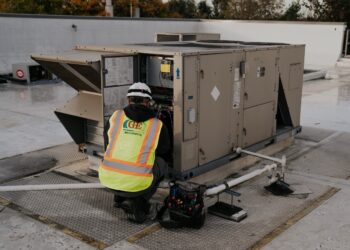

Understanding Emergency HVAC Service
Emergency HVAC service plays a crucial role in ensuring the comfort, safety, and well-being of individuals during weather-related damage. When severe weather strikes, such as hurricanes, tornadoes, or blizzards, HVAC systems can often be affected, leading to disruptions in heating, ventilation, and air conditioning.
Common HVAC Issues During Emergencies
- Electrical failures due to power outages
- Flooding or water damage affecting HVAC units
- Debris accumulation clogging air vents or ducts
- Freezing temperatures causing pipes to burst
Quick response times in emergency HVAC situations are essential to prevent further damage, ensure the functionality of the system, and restore indoor comfort. Delayed repairs can lead to more extensive issues, higher repair costs, and prolonged discomfort for occupants. It is important for HVAC professionals to be readily available to address emergencies promptly and efficiently.
Navigating Fast Insurance Claims
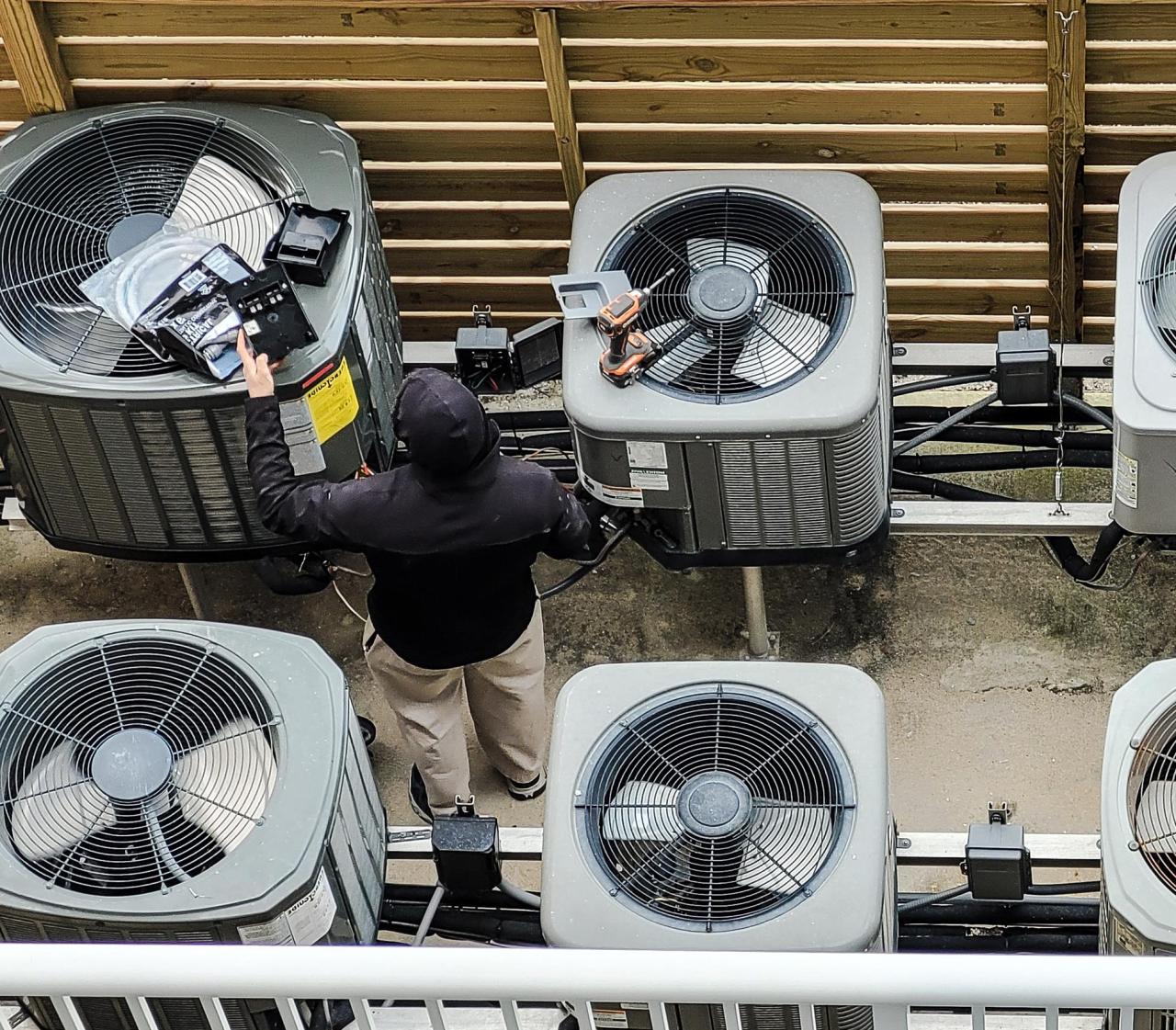
When it comes to filing insurance claims for weather-related HVAC damage, the process can often be overwhelming. However, having a clear understanding of what is required and the necessary steps to take can help expedite the process and ensure a smoother experience.
Key Information Required for HVAC-Related Insurance Claims
- Documentation of the damage: Provide detailed photos and videos of the HVAC system damage caused by weather-related incidents.
- Proof of ownership: Have your HVAC system's purchase receipts, installation documents, and any maintenance records ready to show ownership.
- Insurance policy details: Understand your insurance policy coverage, including any deductibles or limits that may apply to HVAC damage claims.
- Estimates for repairs or replacements: Obtain quotes from HVAC professionals to submit along with your claim for a faster processing time.
Fast-Track Insurance Claims vs. Regular Claims
- Fast-track claims: Typically require less documentation and can be processed more quickly for immediate assistance in emergency situations.
- Regular claims: May involve a more thorough review process, including additional documentation and inspections, which can lead to longer processing times.
- Working with a public adjuster: Consider hiring a public adjuster to help navigate the insurance claim process and ensure all necessary documentation is submitted correctly.
Weather-Related Damage to HVAC Systems
Weather-related damage can significantly impact HVAC systems, leading to costly repairs or replacements. It is essential for homeowners to understand the common types of weather-related damage and how different weather conditions can affect their HVAC systems. Here are some key points to consider:
Common Types of Weather-Related Damage
- Hail Damage: Hailstorms can cause dents, cracks, or even punctures in the outdoor unit of an HVAC system, affecting its efficiency.
- Flooding: Excessive water due to heavy rain or flooding can damage electrical components of the HVAC system, leading to malfunctions.
- Lightning Strikes: Lightning strikes can cause power surges that may damage the electrical wiring of the HVAC system.
- Ice Buildup: During winter, ice buildup on the outdoor unit can restrict airflow and cause the system to work harder, potentially leading to damage.
Impact of Different Weather Conditions
- Extreme Heat: High temperatures can strain the HVAC system, leading to overheating and potential breakdowns.
- Extreme Cold: Cold weather can cause freezing of the outdoor unit or pipes, resulting in damage to the components.
- Humidity: High humidity levels can affect the efficiency of the HVAC system, leading to mold growth and potential water damage.
- Wind: Strong winds can dislodge or damage components of the HVAC system, impacting its performance.
Tips for Protecting HVAC Systems from Weather Damage
- Regular Maintenance: Schedule routine maintenance to ensure your HVAC system is in optimal condition to withstand weather conditions.
- Trim Trees and Shrubs: Keep vegetation around the outdoor unit trimmed to prevent debris buildup and potential damage during storms.
- Install Surge Protectors: Use surge protectors to safeguard the HVAC system from power surges caused by lightning strikes.
- Cover Outdoor Unit: During winter, cover the outdoor unit to prevent ice buildup and protect it from harsh weather elements.
Importance of Professional HVAC Services
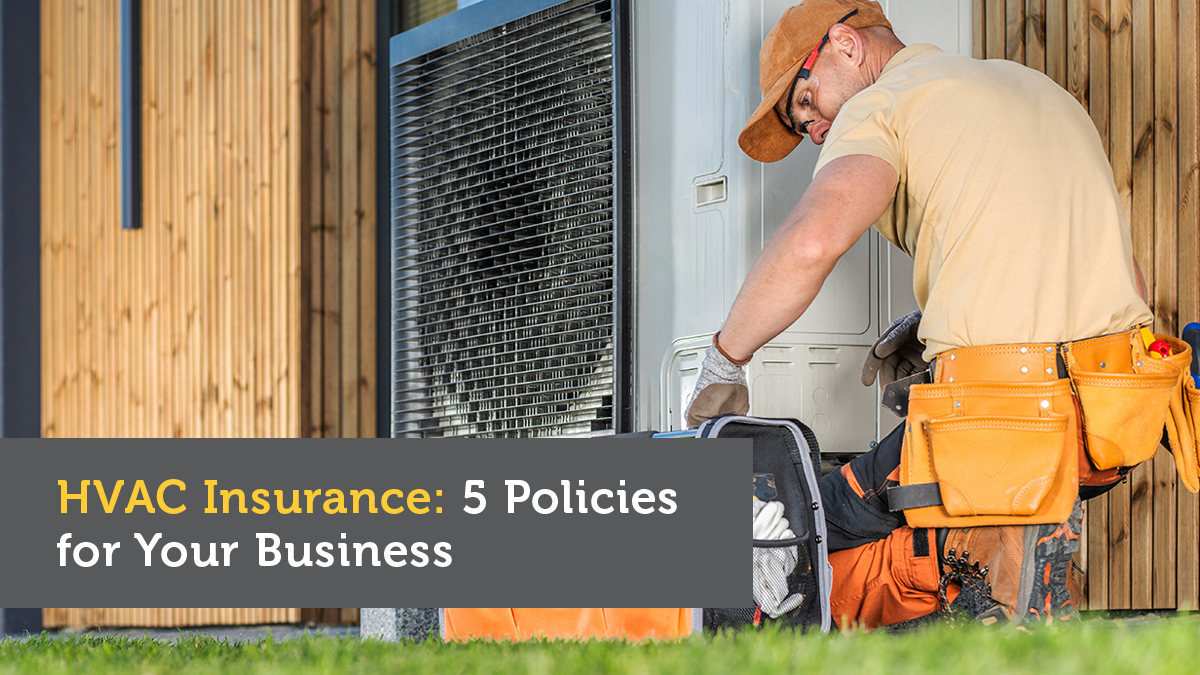
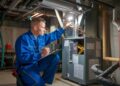
In emergency situations where HVAC systems are damaged due to severe weather conditions, hiring professional HVAC services becomes crucial to ensure efficient and effective repairs.
Advantages of Hiring Professional HVAC Services
- Expertise: Professional HVAC technicians have the knowledge and experience to assess the extent of weather-related damage to HVAC systems accurately.
- Efficiency: Professionals can quickly diagnose issues and provide timely repairs to minimize downtime and restore comfort in the property.
- Safety: Trained professionals follow safety protocols to handle HVAC repairs, reducing the risk of accidents or further damage.
Expertise Required for Weather-Related HVAC Damage
Professional HVAC technicians are equipped with specialized skills to address weather-related damage, such as:
- Identifying water damage and leaks in HVAC components
- Repairing or replacing damaged electrical wiring or components
- Cleaning and restoring HVAC systems affected by debris or contaminants
Specialized Equipment Used by Professionals
Professional HVAC services utilize specialized equipment for emergency repairs, including:
- Moisture meters to detect water damage in HVAC systems
- Thermal imaging cameras to identify heat loss or damaged areas
- High-efficiency particulate air (HEPA) filters for cleaning contaminated HVAC systems
FAQ Resource
What are some common HVAC issues that may arise during emergencies?
Common HVAC issues during emergencies include system breakdowns, leaks, and electrical failures.
What information is required when submitting HVAC-related insurance claims?
When filing insurance claims for HVAC damage, homeowners typically need to provide details of the damage, repair estimates, and photographs of the affected areas.
How can homeowners protect their HVAC systems from weather damage?
Homeowners can protect their HVAC systems by ensuring regular maintenance, installing surge protectors, and covering outdoor units during severe weather conditions.